
This week’s Baseline Shift session welcomed editorial designer Kieron Lewis, who shared an honest journey through design, failure, and finding purpose. Rather than focusing only on polished outcomes, he spoke openly about setbacks and uncertainty, offering a more realistic perspective on building a creative career. Kieron also reflected on growing up in Brixton, explaining how its strong sense of community and cultural diversity continues to influence his work.
Finding the right path
Kieron began by reflecting on his early creative journey. Initially studying video game design, animation, and life drawing, he quickly realised that this path wasn’t right for him. This moment of realisation, although difficult, became a defining step in his career. It led him to pivot towards graphic design at the University of Winchester, where he began to explore branding and editorial design more seriously.
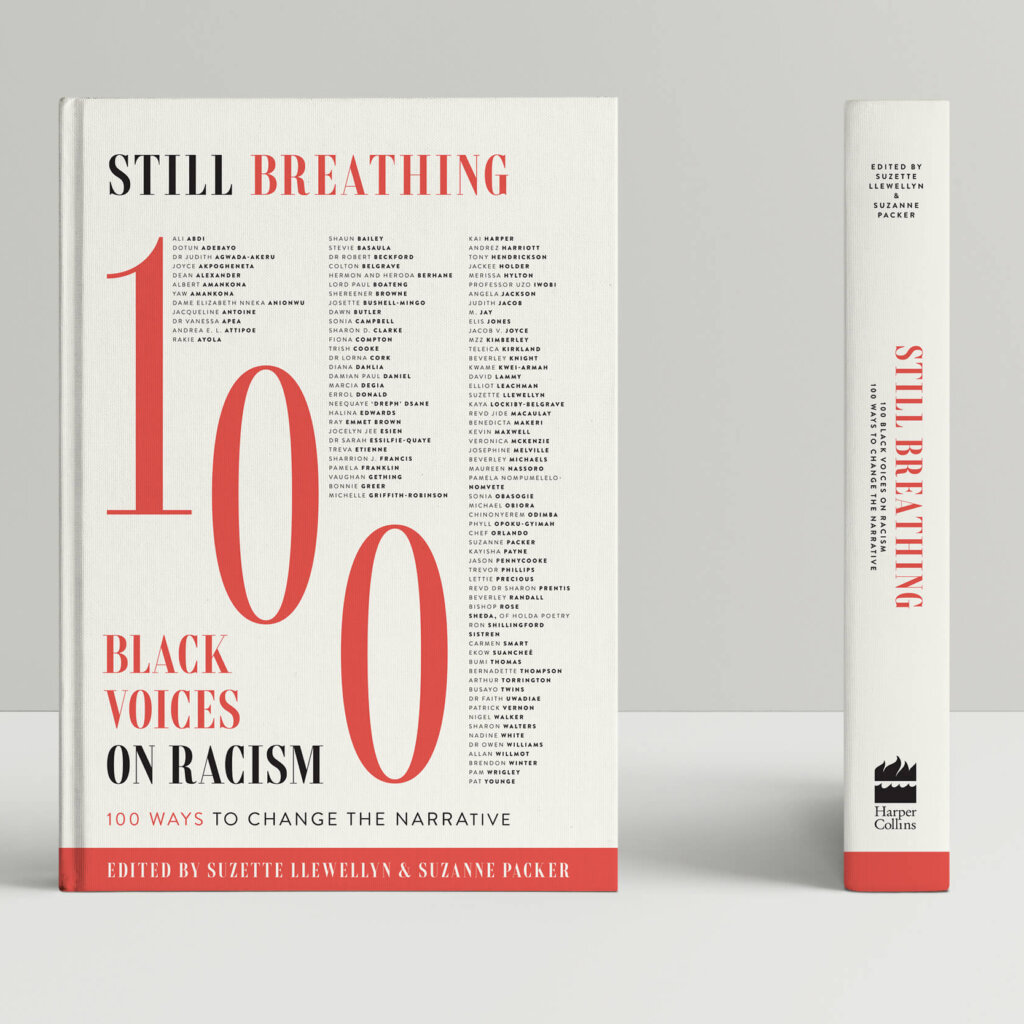
During his time at university, he co-founded Plog Magazine, a publication focused on documenting student experiences and creative work. What began as a small, self-initiated project grew significantly, eventually receiving university funding to produce further issues. This experience demonstrated the value of taking initiative and building something independently, rather than waiting for opportunities to appear.
The magazine also allowed Kieron to explore print as a medium for storytelling, understanding how editorial design can capture voices and document experiences, while also creating a sense of community. It set the foundation for the type of work he would go on to pursue later in his career.
TEDx Euston
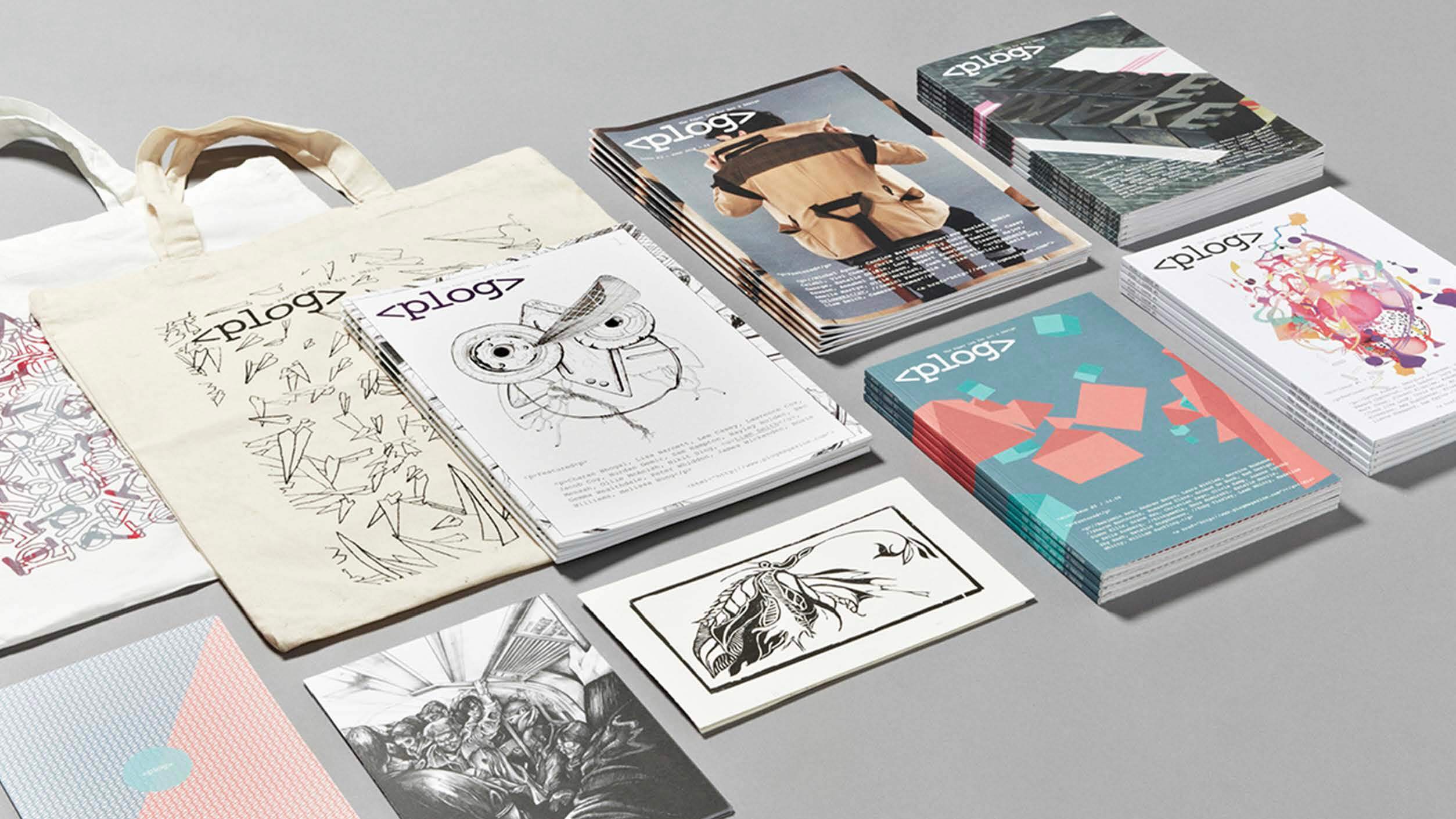
After graduating, Kieron started his career in advertising but quickly realised it wasn’t the right fit, and after several months, he was let go. This prompted a shift towards voluntary work, joining TEDx Euston as a designer. Working on an event centred around African leadership and global conversations, he was surrounded by creatives who shared similar values and motivations. The work felt meaningful, and the collaborative environment helped rebuild his confidence and creative energy.
His time working with TEDx Euston became a key turning point, both creatively and personally. Alongside developing his confidence and collaboration skills, he worked on a range of outputs, including Legacy, a publication that brought together years of speakers, ideas, and conversations from the event. The project acted as a reflection of the community behind it, while also marking an important step in shaping his direction as an editorial designer.
Freelance and meaningful work
After building up his portfolio and stepping away from volunteer work, Kieron secured his first role in editorial design. This position gave him valuable experience working on publications and leading client meetings. However, after being made redundant, he was pushed to reassess his direction once again.
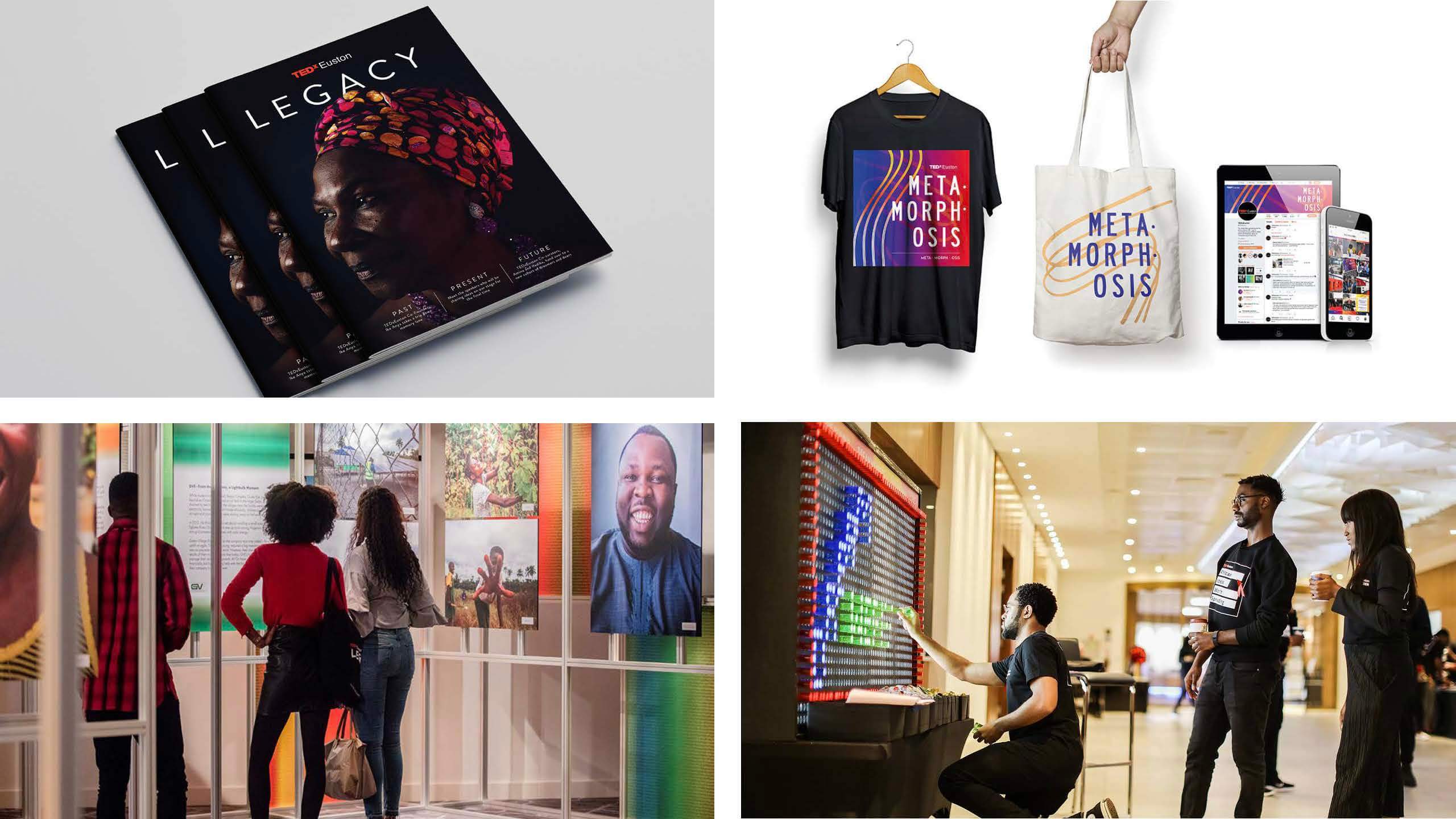
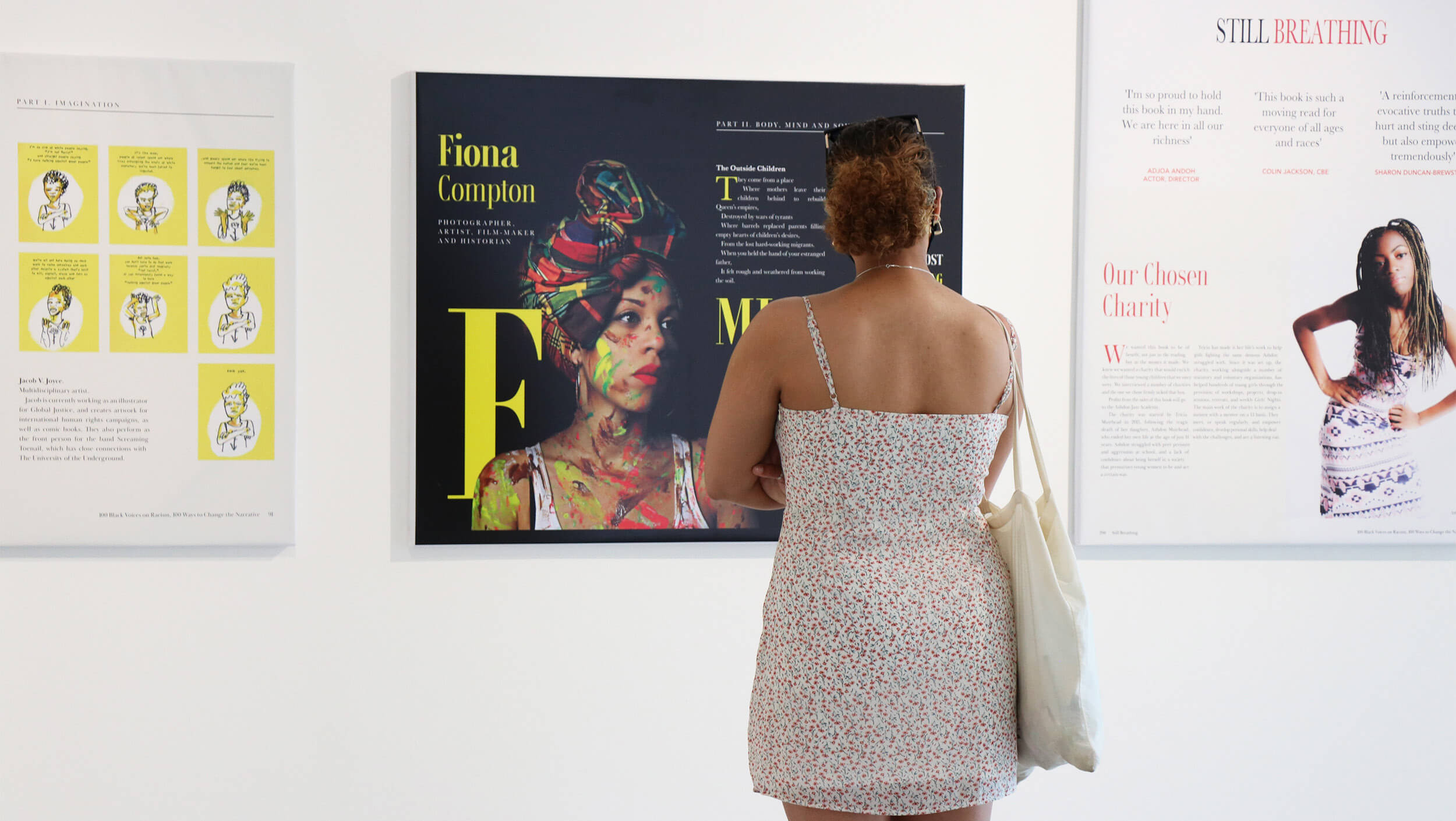
Moving to freelance meant he could focus on projects more closely aligned with his values and interests. This change allowed him to take on more meaningful and self-directed work. One of his most impactful projects, Still Breathing, was a 300-page publication created in response to the murder of George Floyd. The book features contributions from 100 individuals, each sharing personal experiences, reflections, and responses to racism in their chosen field
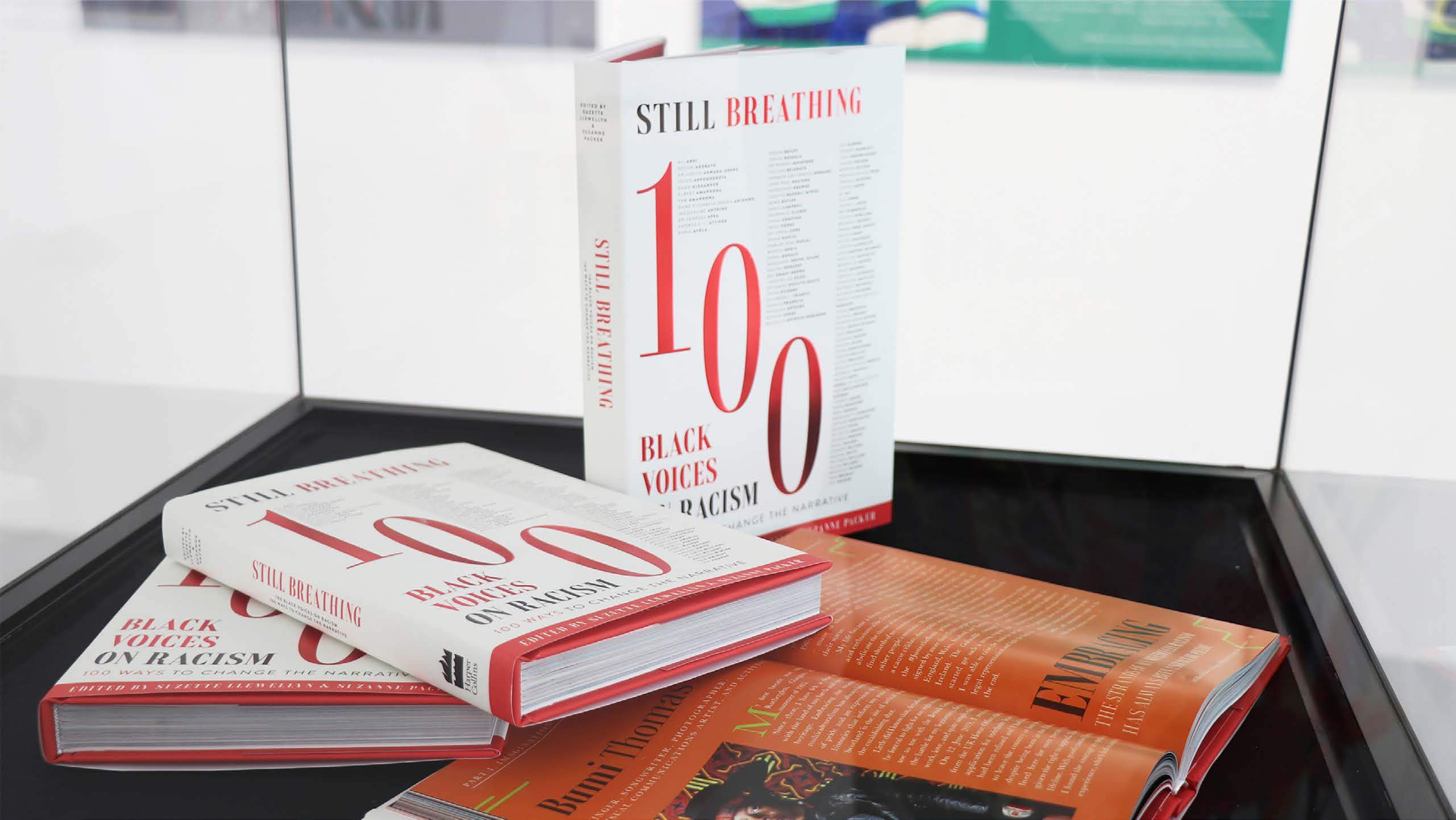
What made the project particularly powerful was its approach to design. Each contributor was given space to express their voice individually, resulting in a wide range of visual styles and perspectives. At the same time, the overall design maintained a sense of unity, using typography to express different emotional tones.
The book extended beyond its physical form, with exhibitions across London, displaying selected spreads. These exhibitions invited public interaction and encouraged conversation around difficult and often uncomfortable topics. The project showed how editorial design can be more than just something visual, creating space for conversation and deeper engagement.
Creative opportunities
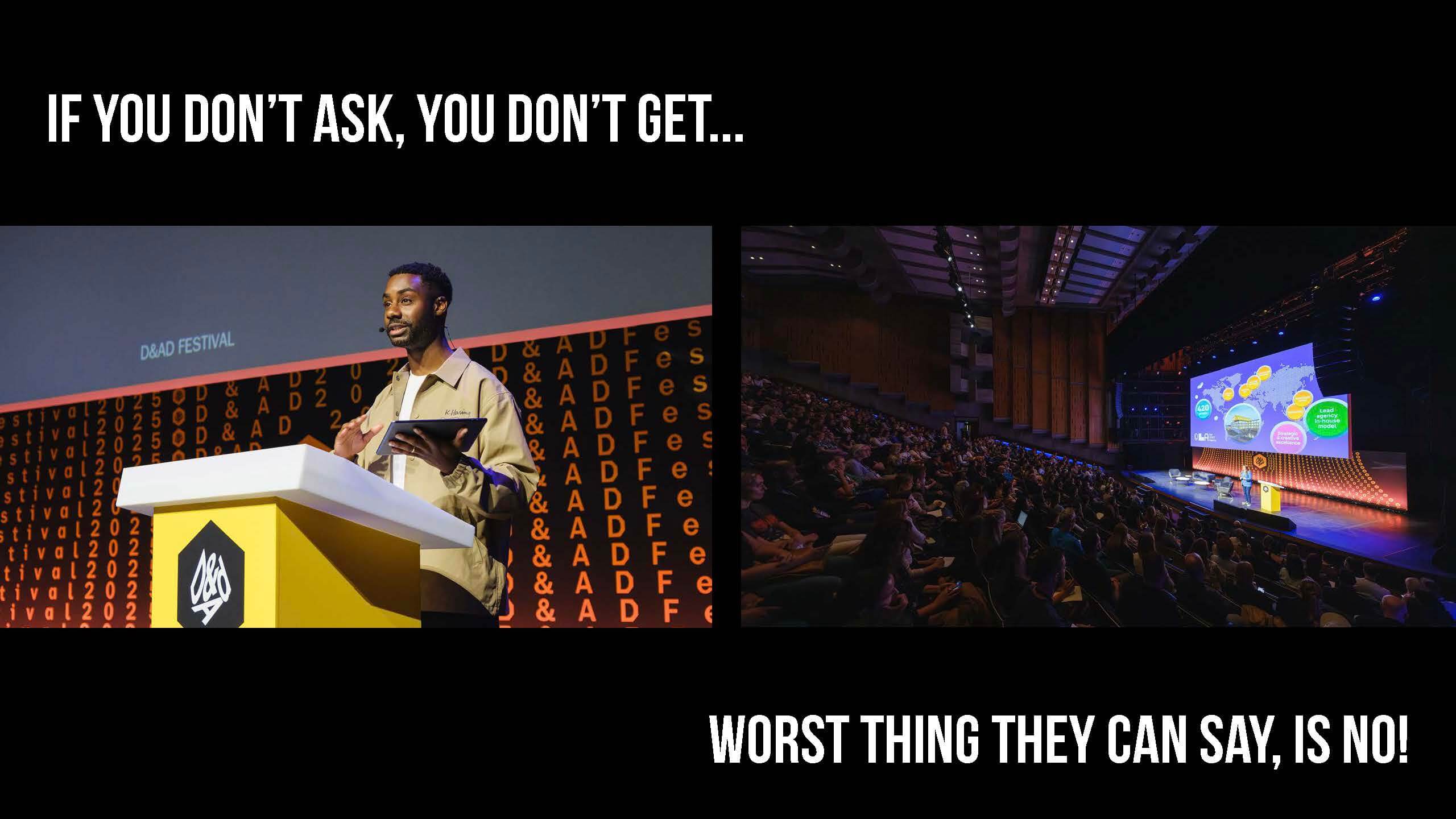
Kieron also spoke about his work with Adobe Live, which began when Adobe reached out to him to take part in a three-hour livestream. Initially unsure if the message was even real, he later found himself designing live on stream, sharing his process with an online audience in real time.
After the success of the session, Adobe invited him back in a hosting role. This shifted the experience from designing under pressure to leading conversations with other creatives, and over time became a consistent part of his practice. Alongside online sessions, he expanded his collaboration into in-person events, including work with organisations like D&AD.
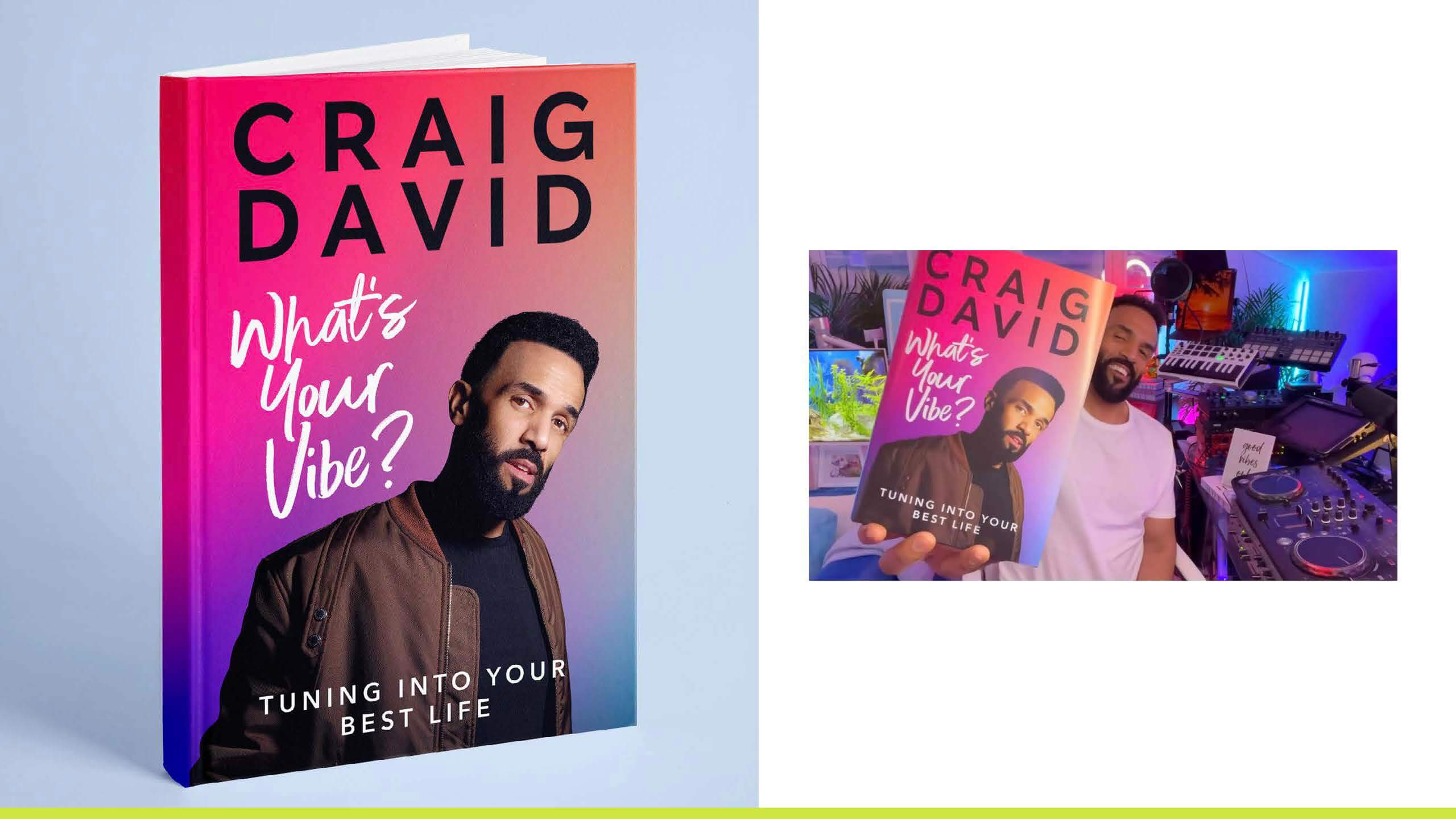
Alongside building his reputation through projects like this, Kieron was approached by HarperCollins to design a book cover for Craig David. This project offered a contrasting perspective on design, highlighting the realities of client work. Producing 40–50 design variations, with only a small number being shortlisted, demonstrated the level of iteration required in professional practice.
It also reinforced the importance of understanding the client’s perspective. While designers may have personal preferences, the outcome ultimately depends on the client’s vision and learning to navigate that balance is key to building strong working relationships.
Collaboration, scale, and craft
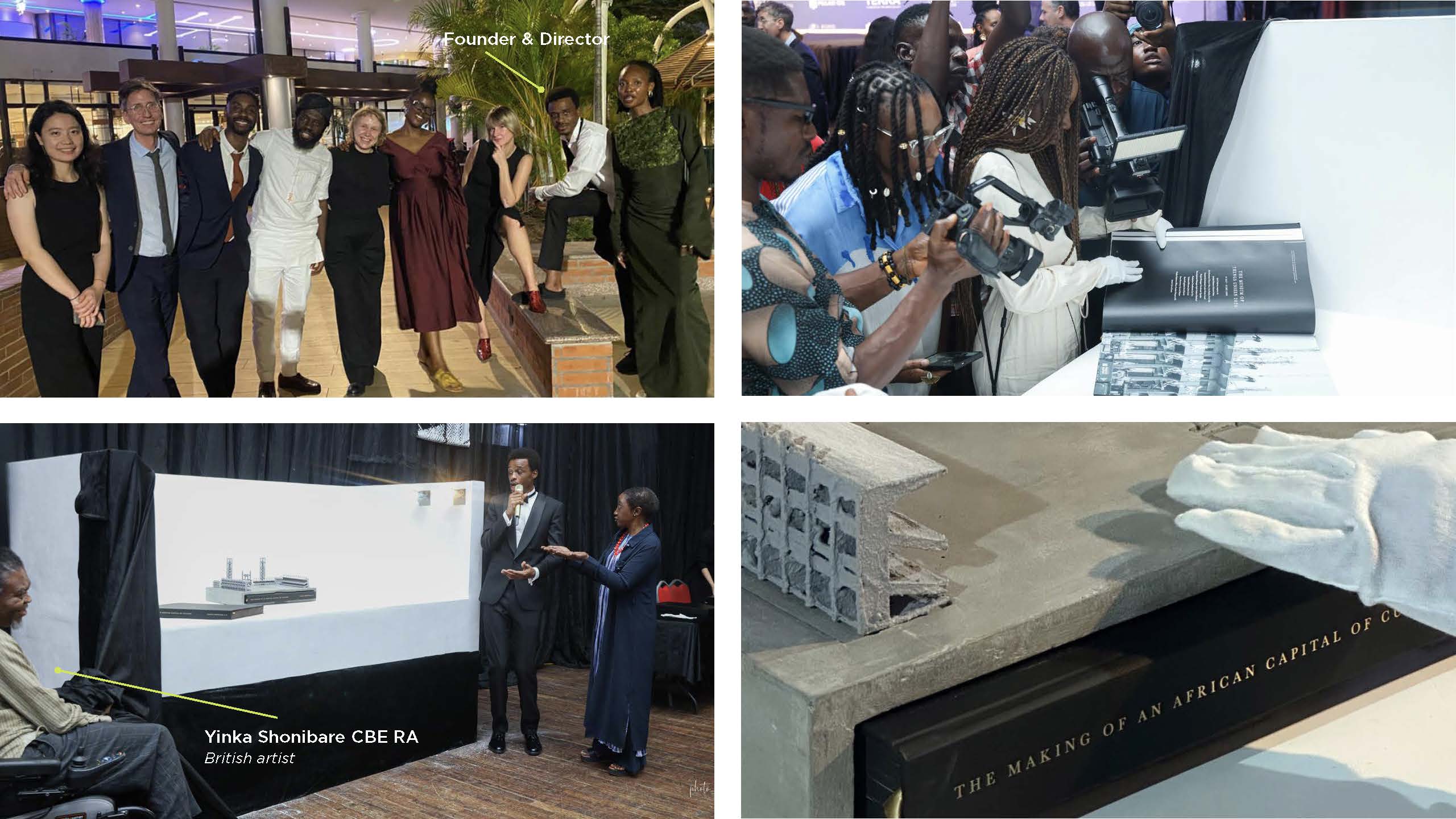
One of Kieron’s most recent projects, Lagos Biennial, represents editorial design at a much larger and more ambitious scale. The project took the form of a 456-page hardback publication, enclosed within a 7kg concrete sculptural case, immediately positioning it as more than just a book. At 336 × 494mm in size, the physical presence of the piece reinforces the idea of “large-scale” design, both conceptually and materially, bringing together the work of 161 contemporary Nigerian artists into a single, carefully crafted outcome.
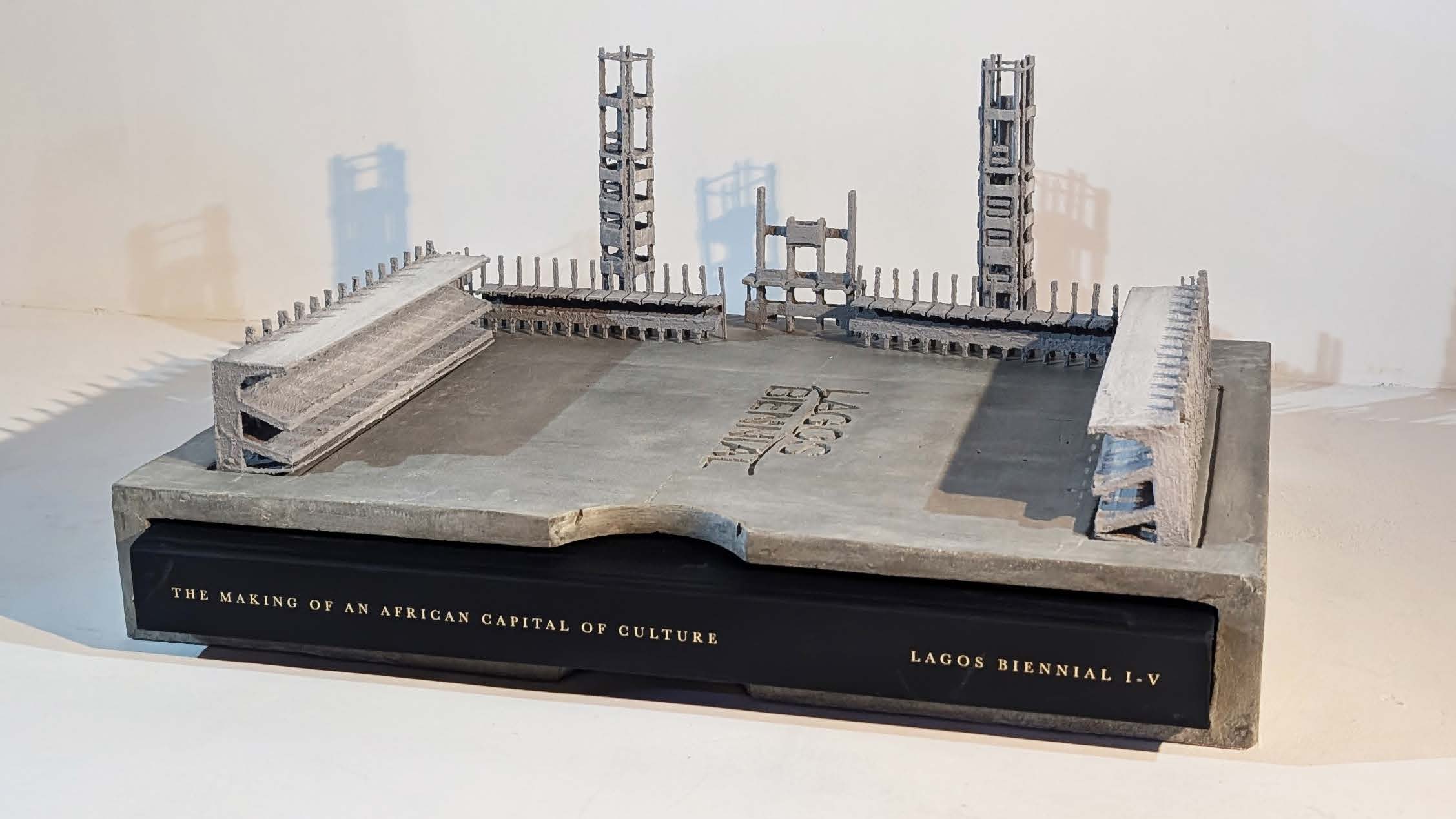
The project took over two years to complete and involved close collaboration across an international team. Managing such a large volume of content required strong design judgement, alongside a clear and consistent approach to organising and handling material throughout the process.
The project also extended beyond the design process itself. Kieron was flown out to Lagos for the book launch, where the publication was presented within the same cultural context it documents. Seeing the work exist physically, both as a publication and as a sculptural object, marked a full-circle moment in the project. It reinforced the idea that editorial design is not just about creating pages, but about shaping how work is experienced, shared, and remembered. Lagos Biennial stands out for giving artists visibility while capturing a unique cultural moment.
Advice for young designers
- Start small, think big
- If you don’t ask, you don’t get.
- Document and organise everything, capture ideas, sketches, and process; keep files clear and easy to navigate.
- Take risks and embrace failure, learn from setbacks, and grow through experience.
- Work with purpose and collaborate, choose projects that matter and build your network through teamwork.
- Explore beyond the screen, seeing things physically, visit inspiring spaces, and engage with the world of design
– Written by Matthew Banks
– Edited by Tommy Molnar