Day: 23 April 2025

Art on Campus: Celebrating The World Reimagined globes

Context

The client is part of the (University of) Reading Arts Committee and has commissioned a public art trail for Whiteknights campus. The trail will consist of four ‘World Globes Re-imagined’ sculptures which are placed around campus and one existing abstract sculpture. There will be additional artwork added to the trail.  Please visit The World Reimagined for more information.


Restated Brief (as of the first phase)

Aim of the project

The client aims to create a more inclusive community surrounding the exhibited artworks around the University campus through a trail that can be accessed by all.

Objectives

Research will be undertaken to explore successful existing maps and leaflets, and to understand the community the project is being aimed at. This will shape the design of the leaflet to enhance the experience of the trail and encourage an inclusive audience.

Deliverables

A print-ready leaflet containing a map of the trail and relevant information.

How the deliverables will be measured
Prototype leaflets will be produced, and a range of users will be asked to test the trail to measure the effectiveness and clarity of the map. Consistent feedback will be given by the supervisor and improvements made throughout the process.

User needs

The map must be easy to read with a clear structured route and only the most relevant information so as not to confuse the user. The leaflet must be suitable to be displayed in standard leaflet stands at museums, and similar public locations. As there is no specific target user, or age range, the interactive web map must be both accessible and easy to use. Accessibility needs must be considered within the leaflet design to ensure that it is clear which areas are accessible to all and which are not.

Notes from initial client meeting

  • The University wants to collect public artworks to display around campus (e.g. sculptures, paintings, etc.).
  • The Arts Committee have acquired four ‘World Globes Reimagined’ sculptures to be placed roughly in greenspaces surrounding: the library, Park House, the URS building (near the reflective pool), and the Henley Business School.
  • One of the sculptures on the trail, is the abstract sculpture titled ‘Floating Gardens’. The client has stated that this exhibit needs more representation as it is often overlooked due to its unclear nature as artwork or unconventional seating.
  • The client mentioned the possibility of including some subtle signage to make the map and trail itself more cohesive.
  • This project is expected to grow in the future, developing more iterations as the trail gets larger. There is already a commission underway for another public sculpture set for 2026.
  • This is designed for the whole public not just students, however, confirmation is still needed regarding public access to university buildings.


Schedule
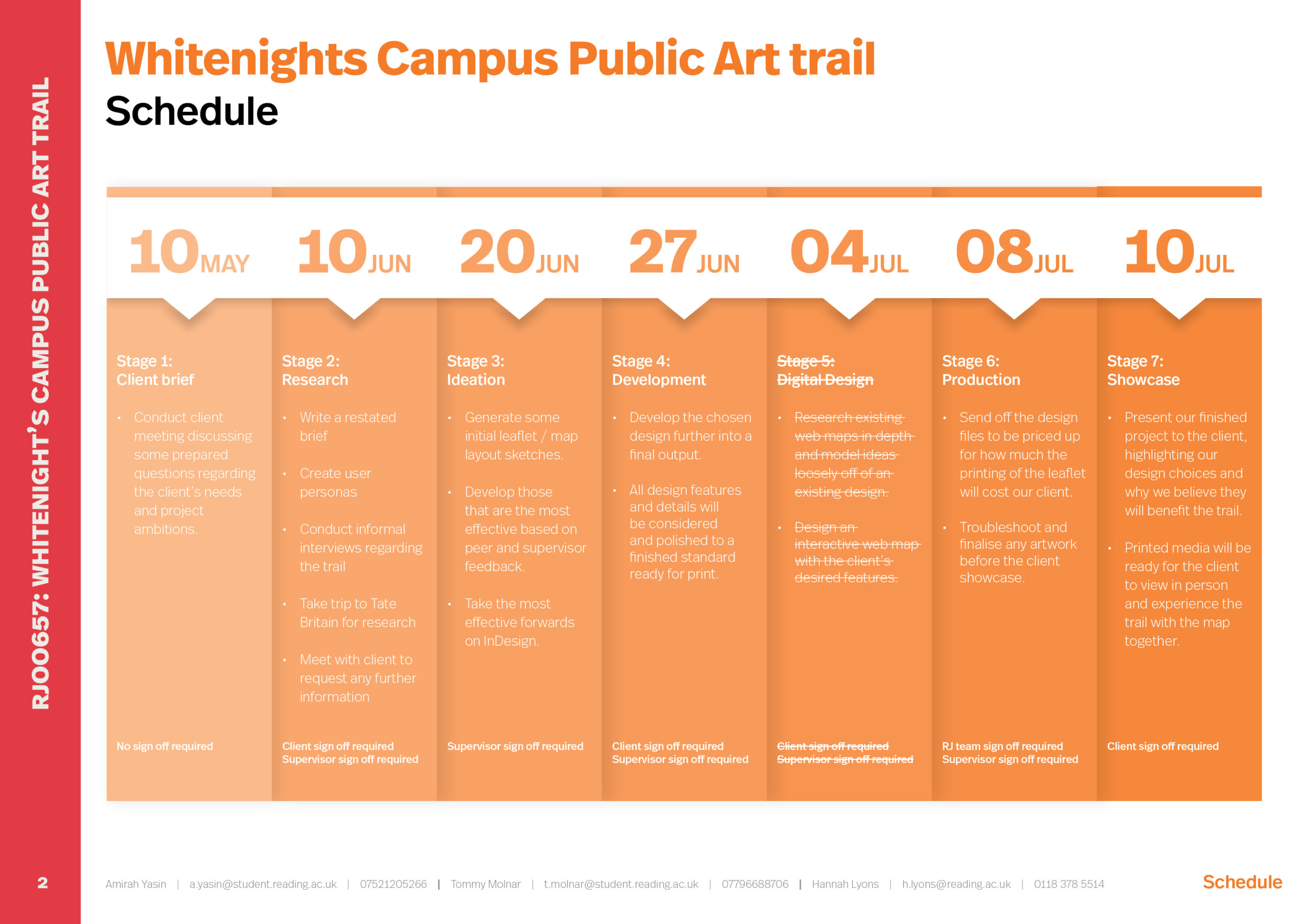
Figure 01: Schedule


Research

We began by asking our client if she had any existing points of inspiration for the leaflet/map. Our client found the leaflets used in Tate Britain and Tate Modern (figures 02 and 03) particularly inspiring and organised for us to travel to London to do some field research and understand what about the leaflets made them so memorable/inspiring. The true benefit of researching these existing examples was not simply looking at the finished product but using the map in context to explore the museums. This helped us better our understanding in learning what creates a clear leaflet and the techniques that could be used to differentiate different levels of hierarchy within the information displayed. It was insightful seeing the levels of detail needed for an internal map, and how the artworks could run alongside this in our own printed leaflet.

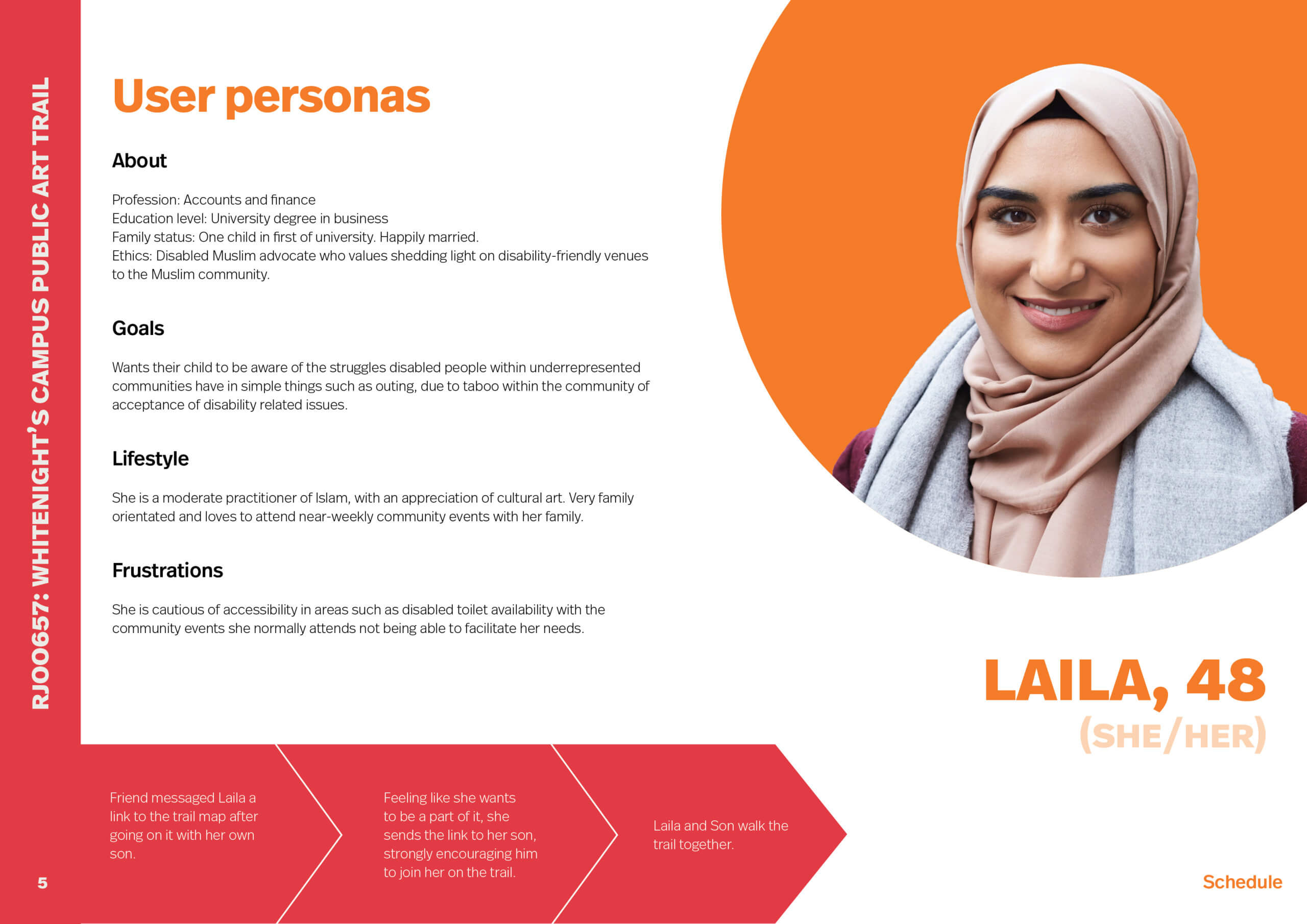
After this visit, we initiated further research by creating four user personas, specifically considering their lifestyles and frustrations as well as their journey that would lead them to the ‘Art on Campus’ trail (figures 04 and 05). This was an enlightening activity, perfectly illustrating the range of audience that we have for this project. From this stage of research, we found that potential users struggle to understand the information when it is overly busy, specifically for users that are neurodivergent can find overcomplicated designs overstimulating. This was an important consideration to make when designing our leaflet as we aimed to design for all users rather than just the neurotypical able-bodied. Continuing this path, we identified another user that may potentially struggle due to their physical ability, someone who is partially visually impaired. Due to this, we intended to consider the type-size and experiment several times by printing prototypes.
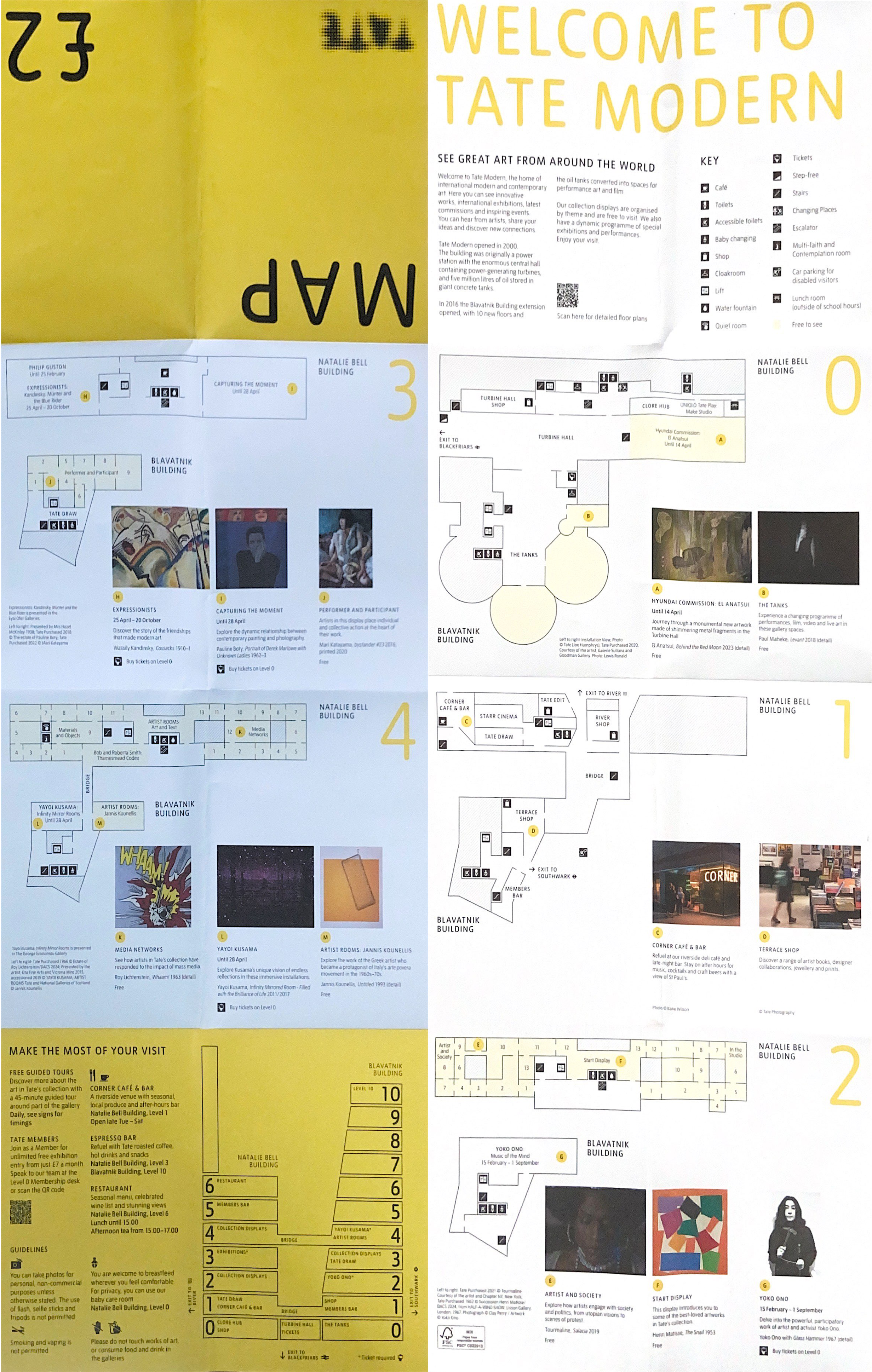
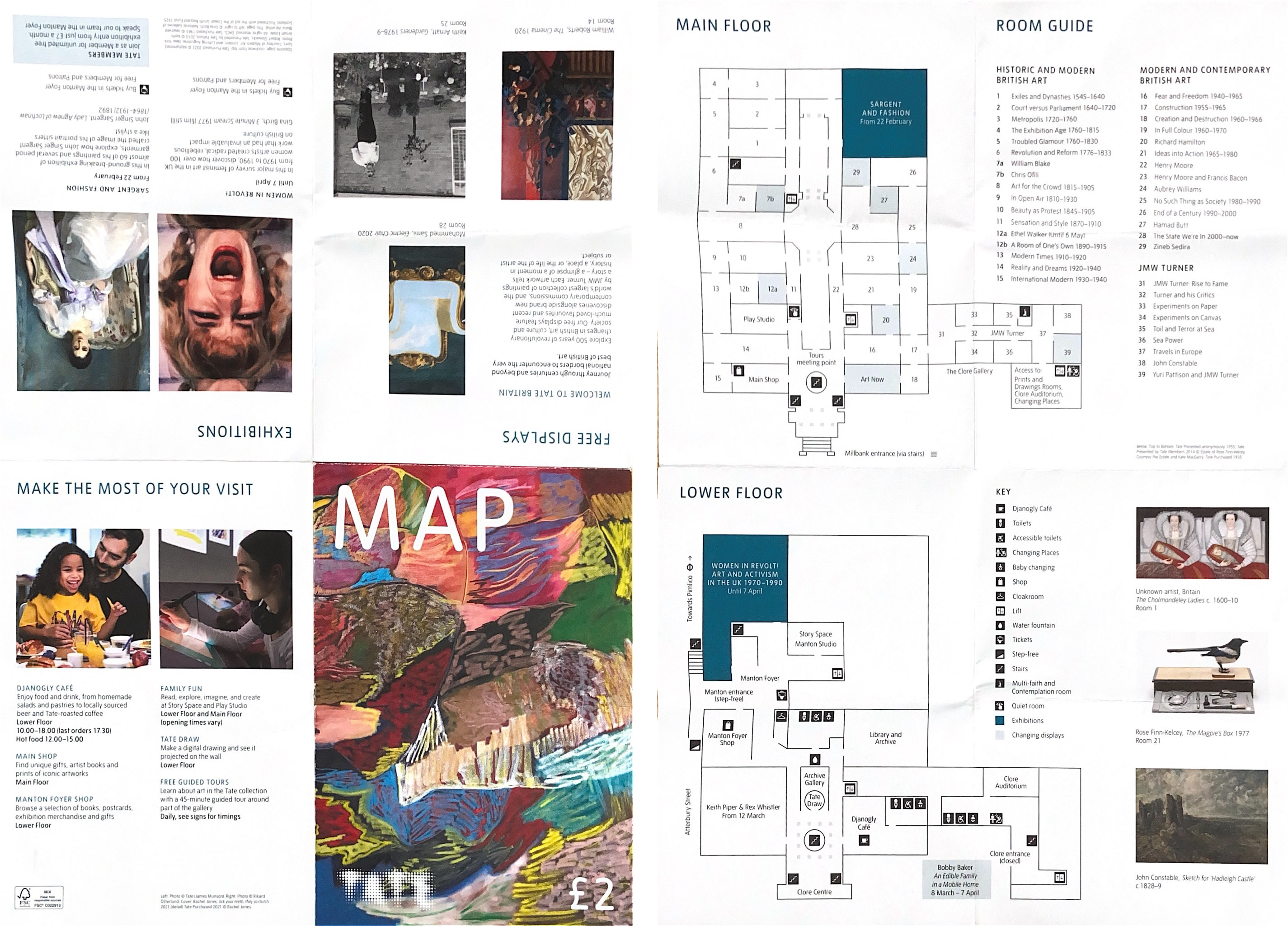
 

Figure 02: Tate Modern map


Figure 03: Tate Britain map


Figure 04: User persona 01


Figure 05: User persona 02


Ideation

We began with sketching and folding multiple layouts using scrap pieces of paper (figures 06). This way we were not spending too long making the sketches/prototypes aesthetically pleasing. Along with testing out multiple folds, we also experimented with where the different areas of information would be placed within these layouts, where we were torn between a cross-fold leaflet and a three-fold leaflet. Once we were happy with a few chosen layouts, we sketched them neatly on samples of the paper stock that we were planning to use (these would be the copies that we passed onto our client for her to approve the layout), as seen in figure 07. Our client was keen for us to work with a cross-fold leaflet and was happy for us to use similar placements.
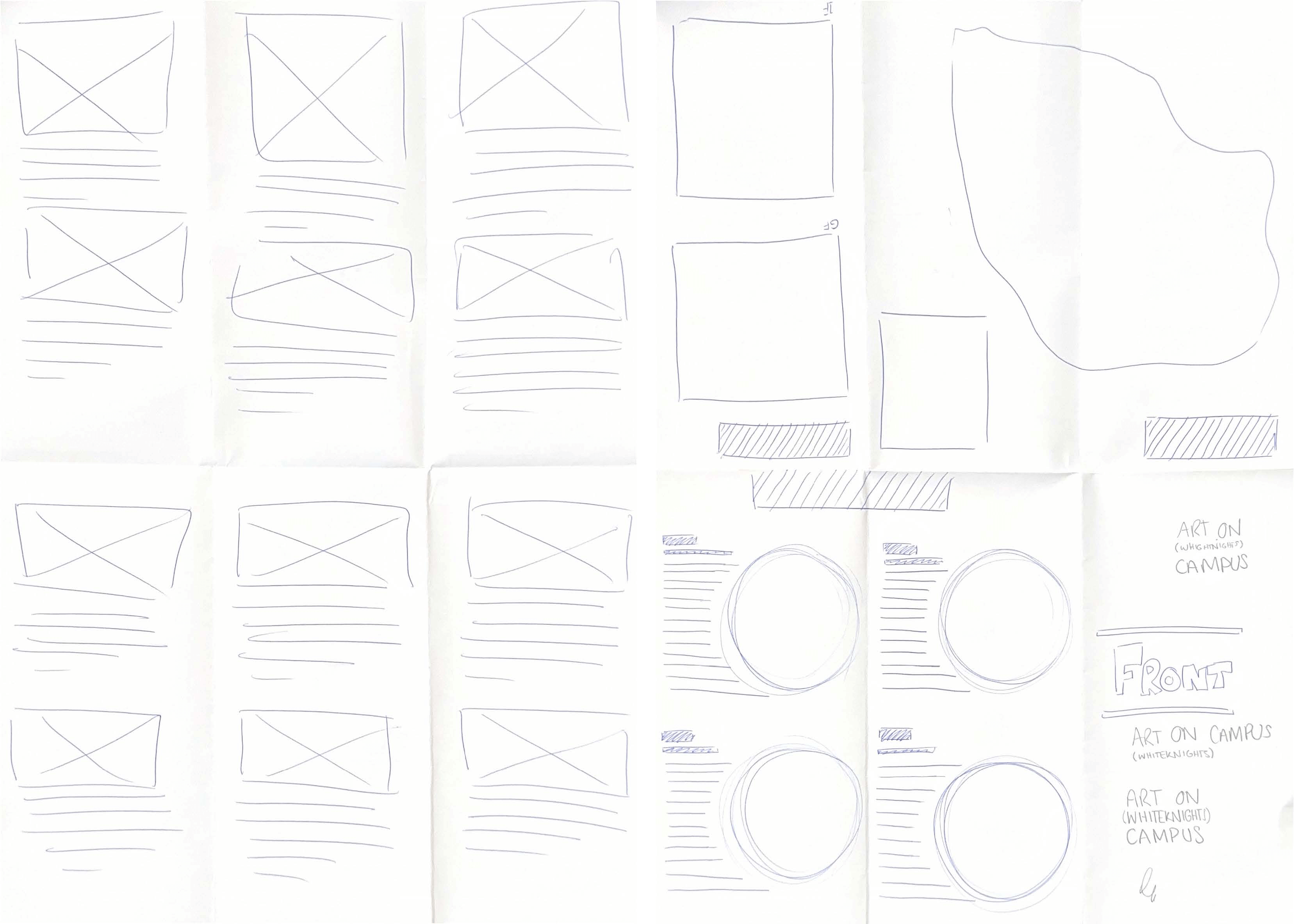
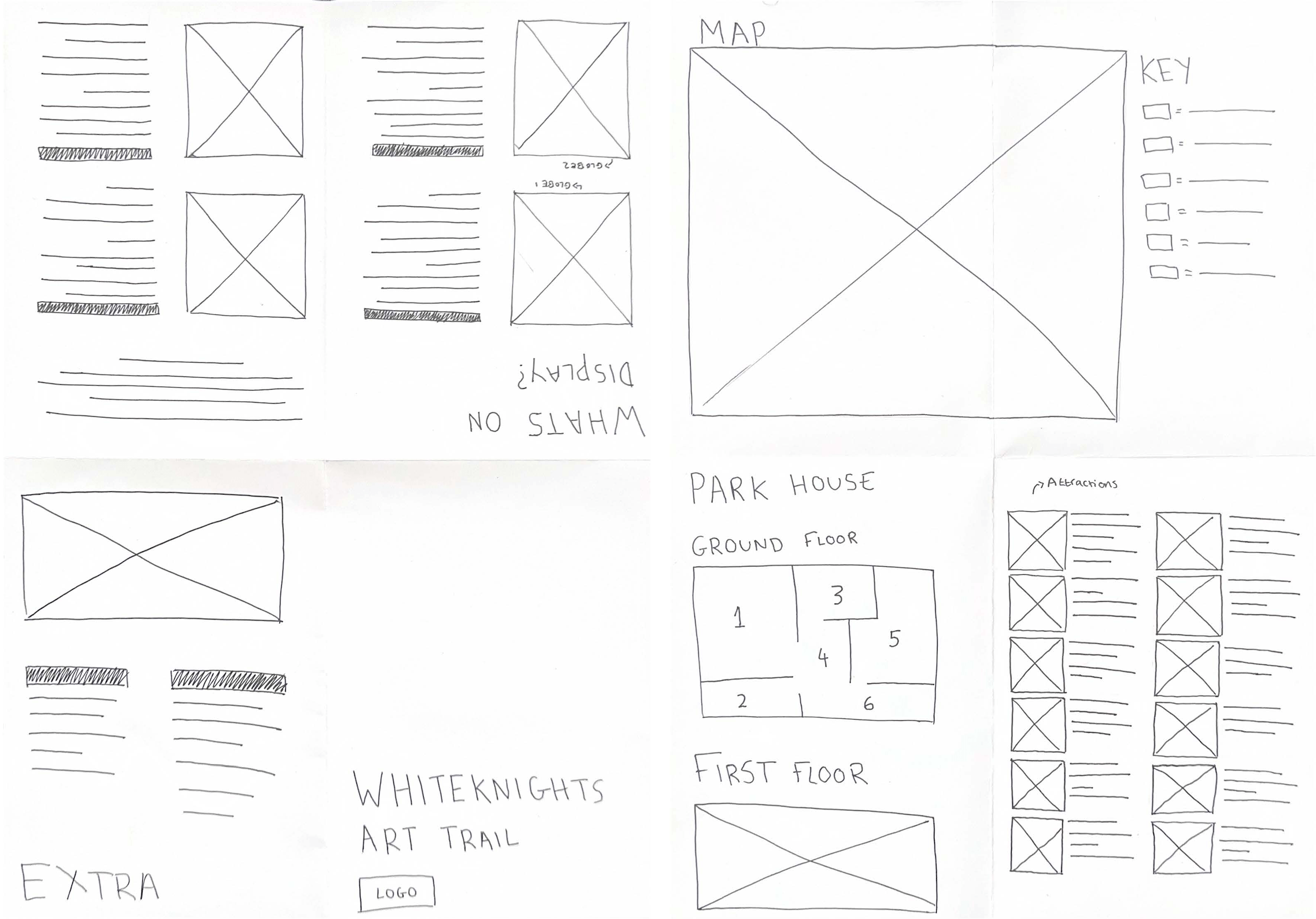
 

Figure 06: Initial sketch


Figure 07: Developed sketch


Once a rough design layout and fold had been agreed on, we started laying out very simple wireframes with placeholder images in InDesign. We split the design work between the two of us, with one of us focussing on leaflet typesetting and layout, and the other focusing on the design of the map.

Part of the process involved taking our own photos, so we made a trip into the University, borrowed the professional camera and took some pictures of the artworks and the four globes (figure 08). These photos then required a significant amount of light editing, achieved across both Adobe Lightroom and Adobe Photoshop which was relatively new to the both of us and a great learning opportunity.
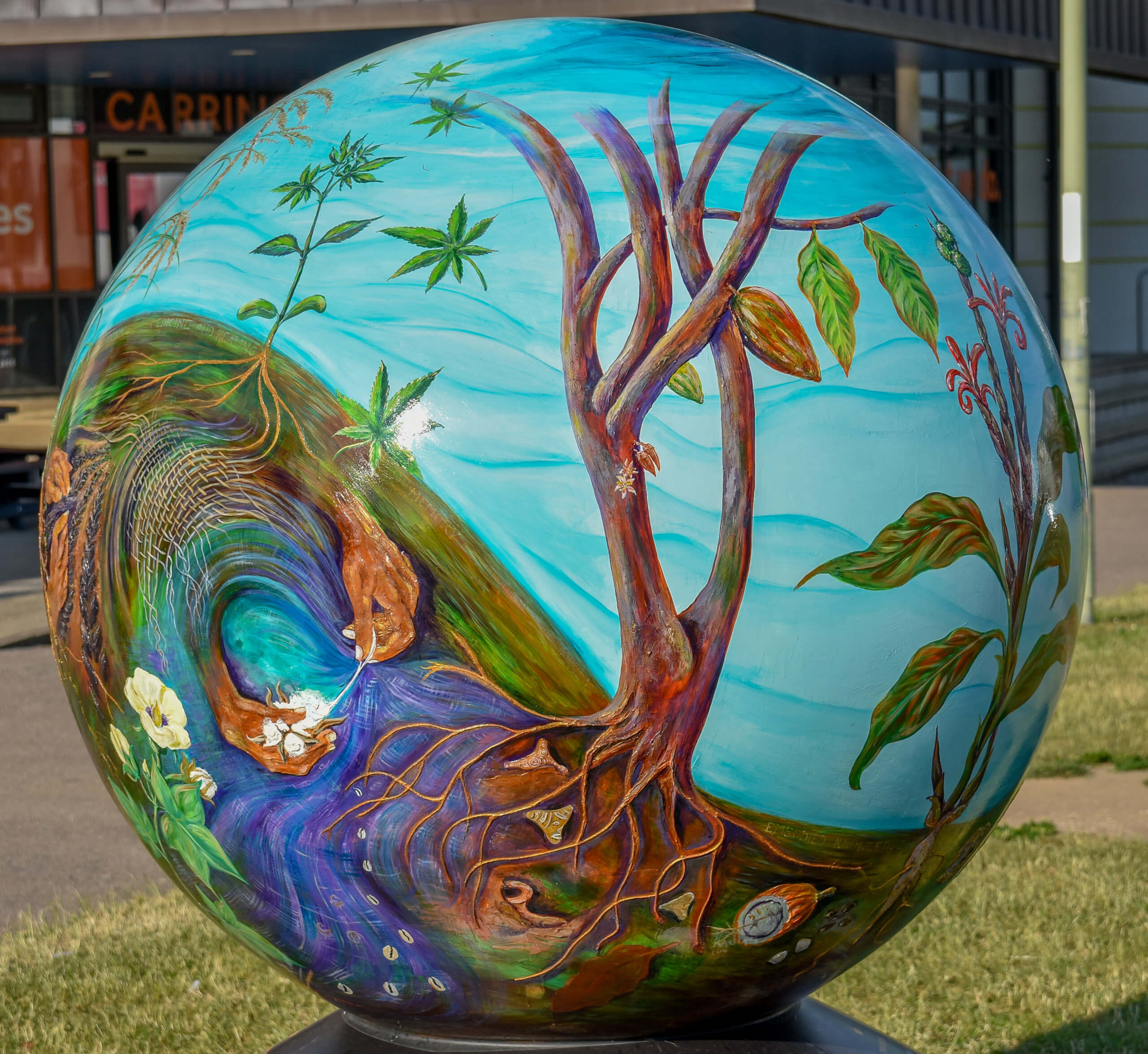
 

Figure 08: The World Reimagined Globes – Economic Biosphere


Development

To begin our digital design phase, we decided we would adopt a system where we would work on separate InDesign files as to limit any problems happening with the files, and would come together and create a new, updated document with the other person’s work. Upon completing the separated areas, we worked together trialling different styles of inputting imagery and how, for example, the rounded shapes of the globes would work against our rectangular grid.

We used each other’s honest critique and improvements to refine our digital design, along with booking in an extremely valuable feedback session with James to review an early-stage print. Once we were happy with a digital design, we showed it to our client along with a short presentation for review and received some changes to the copy and a proposal to change the layout of the page containing the artworks. Initially, this took us back as a lot of work to do, however, we systematically went through the changes, highlighting them as we completed them in a shared doc. We went through several iterations throughout the development process, as seen across figures 09–11.

After making our client’s suggested changes, we went back to our supervisor and asked for some final critique, and the level of detail that was looked at was eye-opening. In the final feedback, it was suggested that the image on the front cover was a little faded due to the light editing, so we went to Geoff for a quick personal tutorial on light editing in photoshop and achieved a look that we were confident with for our hero image on the title page. We learnt a lot from this experience down to the most minute detail of changing thin spaces to hairline spaces.
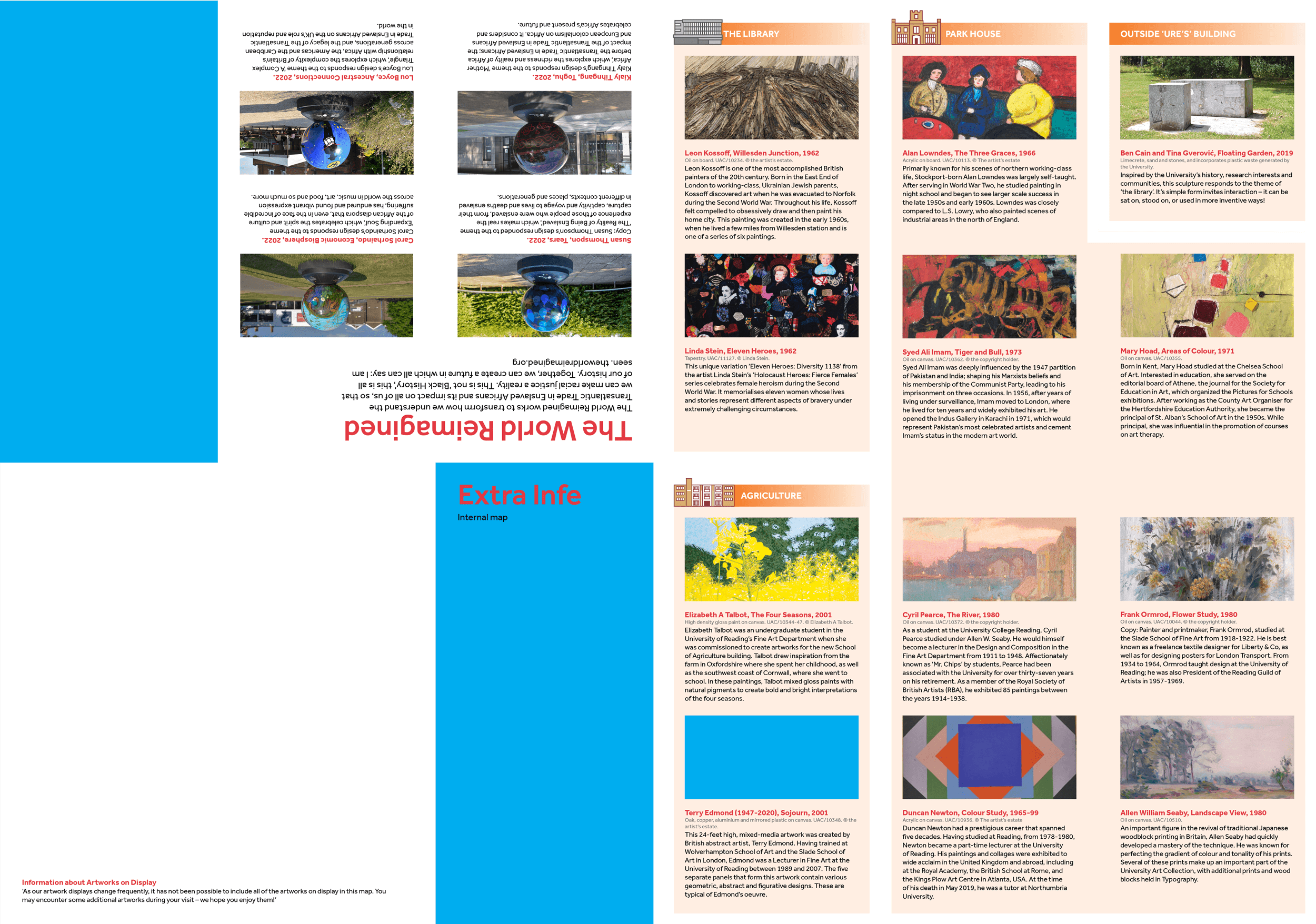
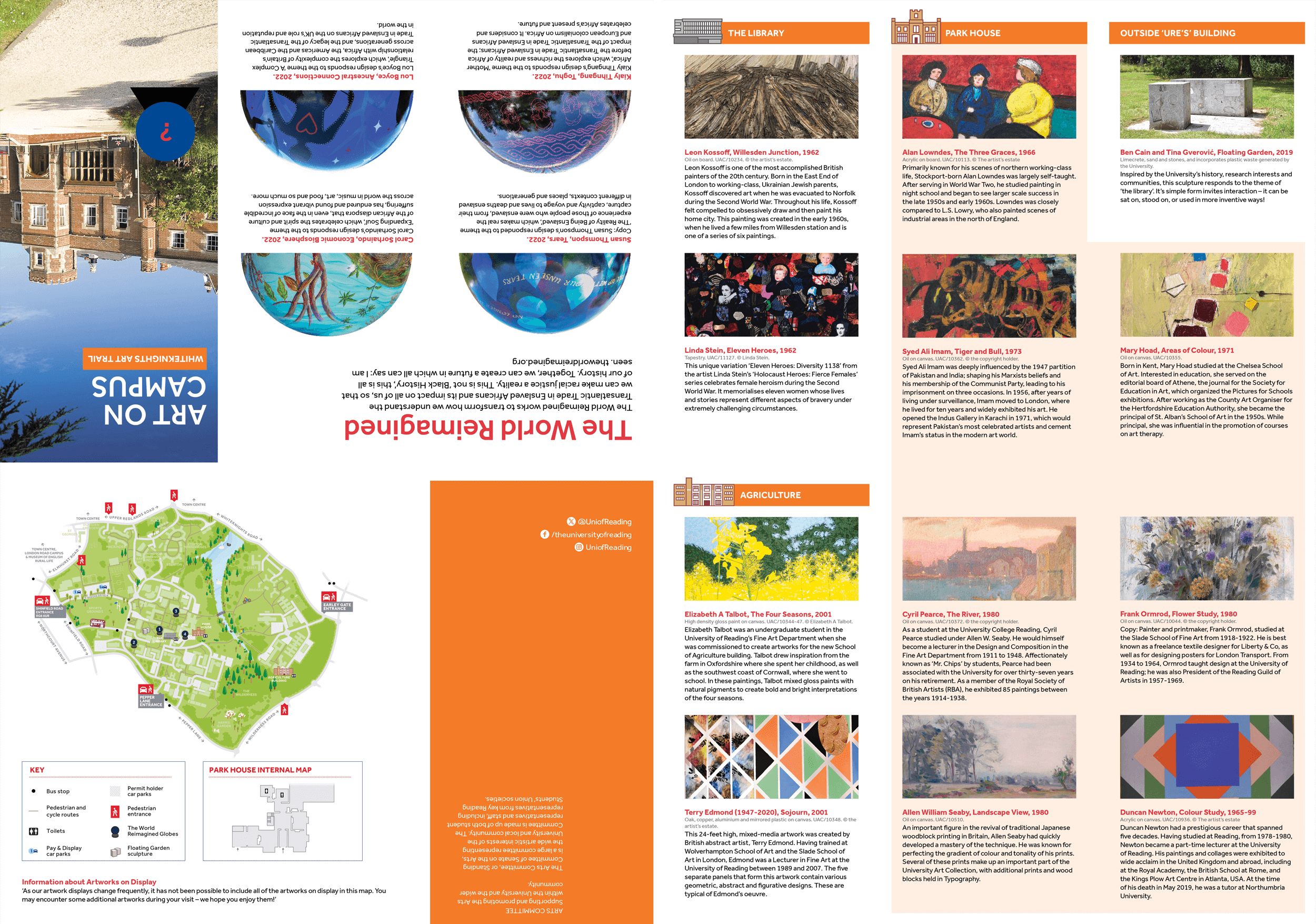
 

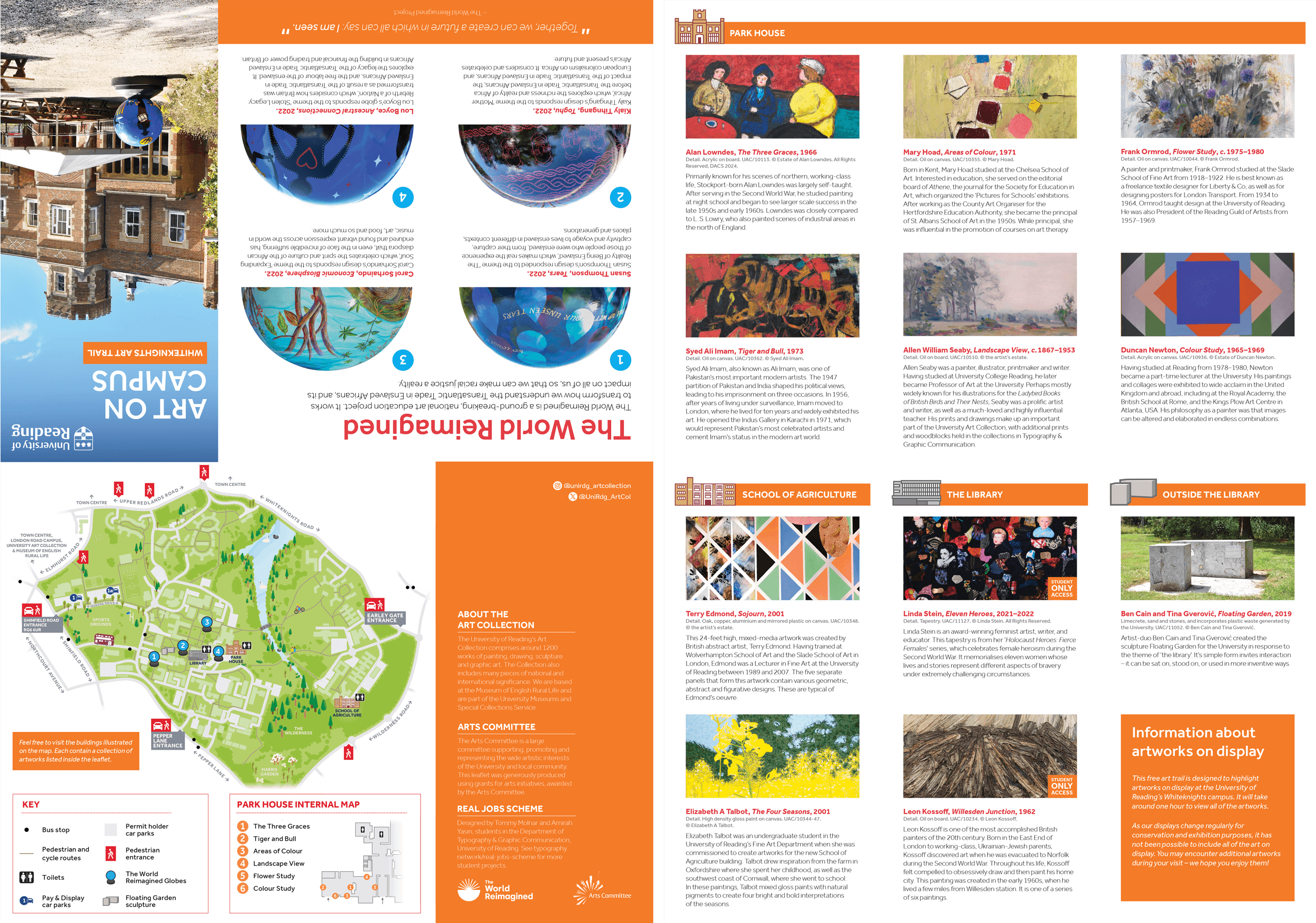
Figure 09: Leaflet v10


Figure 10: Leaflet v12


Figure 11: Leaflet v22


Production

The production phase of the process was eye opening as communication was the main skill required here. When discussing the production spec with the Real Jobs team, we were not clear enough on the type of fold required which led to the incorrect fold (a roll-fold) being sent to CPS for the spec. As the both of us were keen to deliver what we had proposed to the client, we refolded all 6500 copies by hand to ensure that they were in a Z-fold format. This taught us both how important it is to be clear with the spec and to specify things like this in writing before sending them to print. This also taught us to request printer proofs before going through with the final print to ensure that the standards and requirements are being met.

An art working problem we came across was the outcome of the colour in our final printed leaflets. Due to exporting a pre-existing map from a .pdf and importing this into the Illustrator file we were working on, the colours when printing our leaflet were not as we expected due to the importing of the map altering our version of the file into RBG whereas when printing we needed CMYK programming. We did change various settings to achieve this, however upon printing, it turned our darker than expected. It was unclear here whether this was just down to the printing settings, or the following issue discussed of paper choice.

A final issue we encountered was the paper choice we settled on. We set out to print on 115gsm silk coated paper which was agreed upon with our client however due a last-minute alignment with university brand guidelines, this needed to be changed to 150gsm Evolution Business meaning we were only able to print 6500 leaflets as opposed to the 11000 we set out to deliver.


Outcome
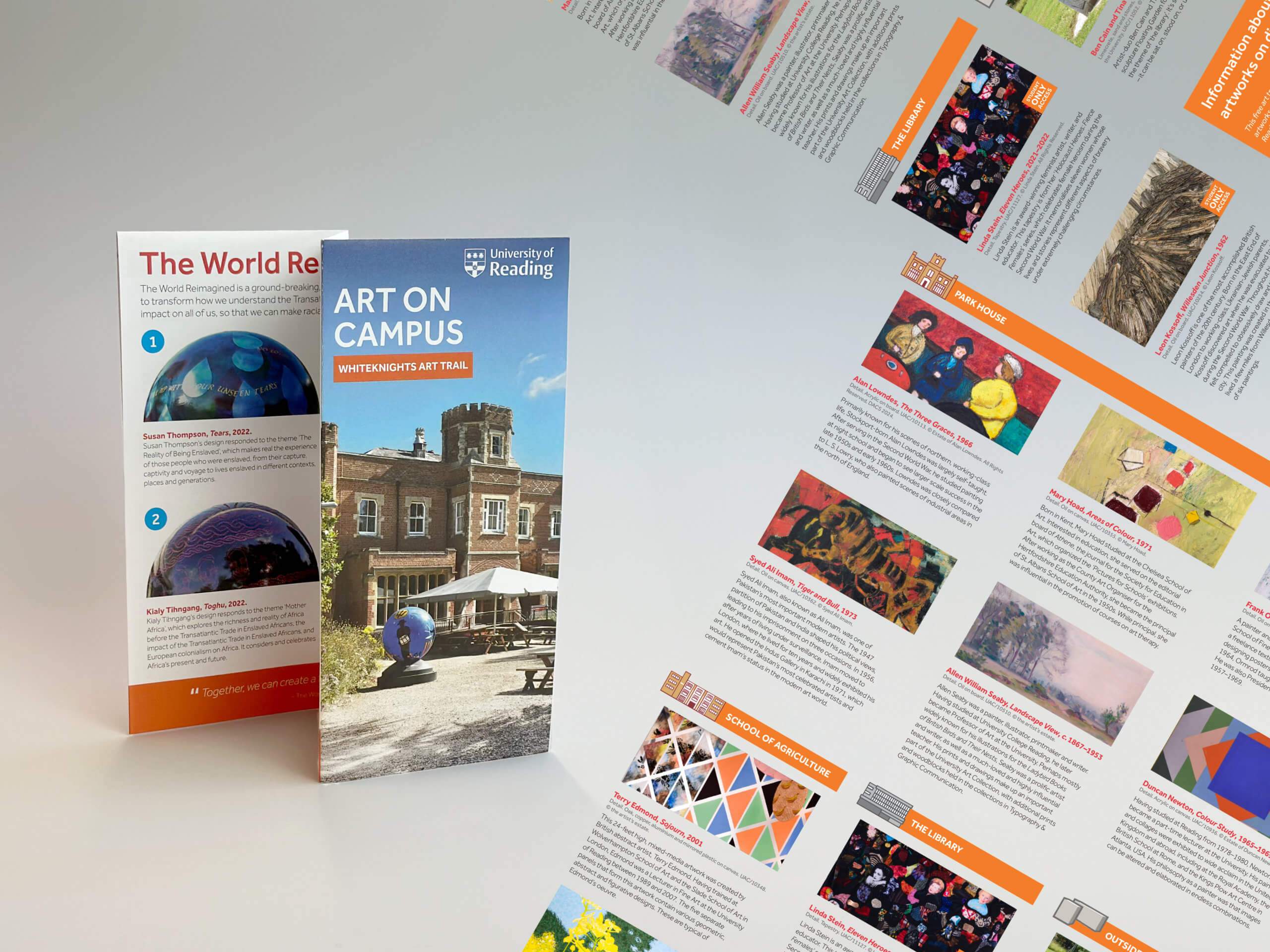
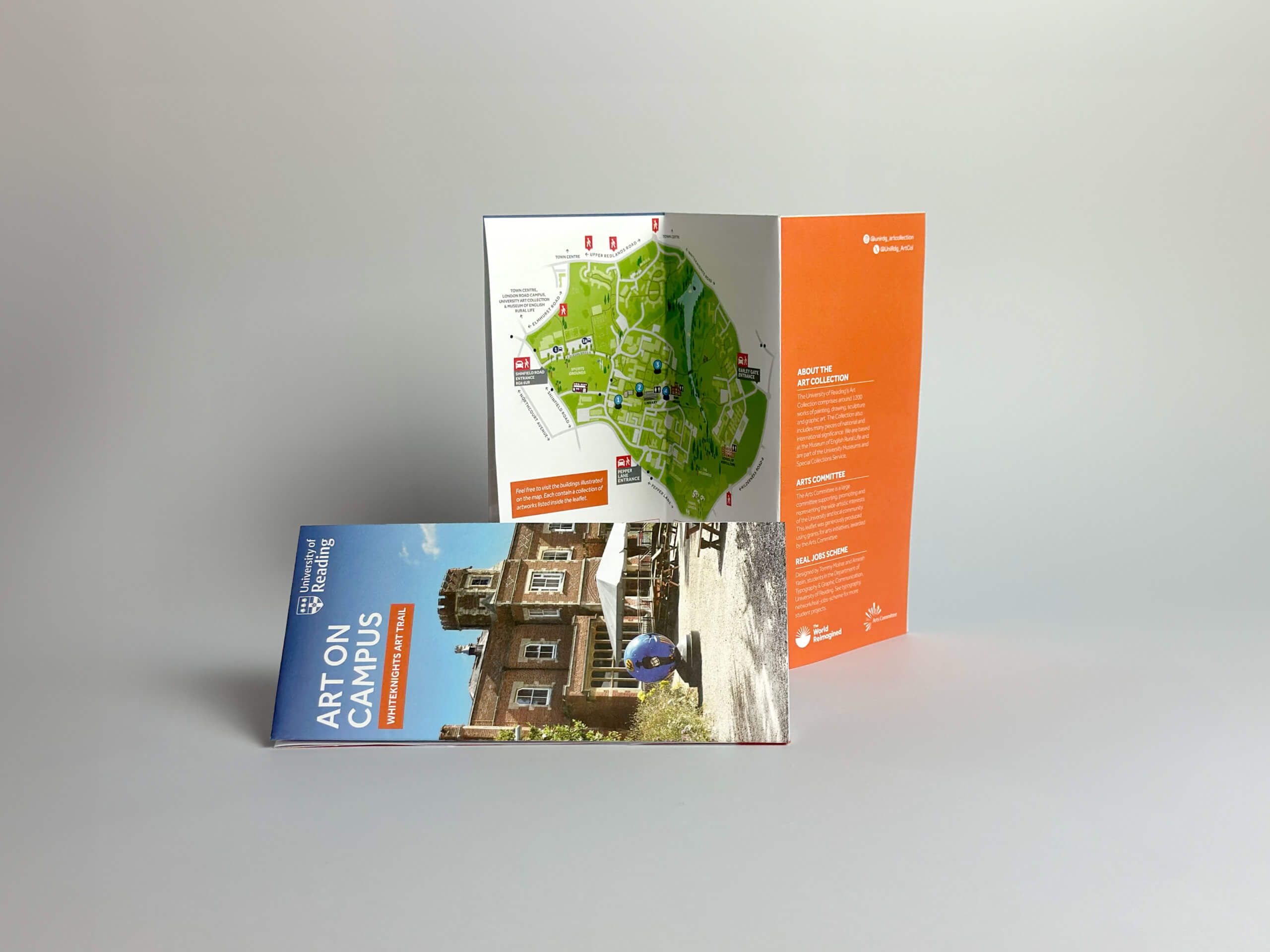
Figure 12: Printed deliverable 01


Figure 13: Printed deliverable 02


Feedback

Client feedback

“We have only been getting wonderful feedback for the map, so I think the thanks are down to you both entirely! …I was really pleased with the whole project from beginning to end and I have nothing negative to feedback. It would have been great if we could have had the paper that you had initial chosen for the maps rather than the University approved one, but that’s an issue for us to discuss with CPS for future iterations of the map.” – Client

Supervisor feedback

Our supervisor was impressed at the quality of work produced by two first year students, and although he mentioned that there were still some areas to improve for future iterations if we get the chance such as detailed alignment issues or print quality, overall, he believed that the design looked in accordance with the brand guidelines, professional, and fit for purpose.


Reflection

Our key take aways from this project were:

  • Always request proofs from the printer.
  • Ensure that important information regarding the spec is written an email chain.
  • Understand the brand guidelines you are required to work within from the start.
  • Seek out original file types as opposed to exporting from a .pdf.
  • Ensure everything is in CMYK or RGB depending on the project.
  • Maintain constant communication with all parties not just the client.


By Tommy Molnar and Amirah Yasin


SHARP 2024 Conference Material

Context

Designed by Luke Dyer and Jack Swain, the Society for the History of Authorship, Reading, and Publishing (SHARP) was looking for branding deliverables for their SHARP 2024 Conference. The project required us to create a range of visual material at varying sizes for different purposes. We were fortunate enough to work alongside Sue Walker, who works within the department of graphic communication and typography, giving us a great opportunity to work with someone with a great mind for design. Alongside this, we had the opportunity to meet with the SHARP organising committee during this real job. 
Restated Brief

The SHARP 2024 conference would take place in July 2024, in which the conference will explore how books and texts are produced, distributed, and read in global contexts today and in the past. The conference requires branded material in a range of formats to communicate information and promote the event. This material needs to remain cohesive with the current ‘SHARP 2024’ & ‘Centre for Book Cultures & Publishing’ branding to create a cohesive brand design throughout the entire conference. From this we were quick to establish the main goals of our design work: to create physical/digital methods of communicating times, dates, locations, and events. To help identify attendees of the conference through physical material and to find ways of promoting the SHARP 2024 Conference through physical material. 

Deliverables 

Printed conference programme:

A printed programme for all attendees of the event that will communicate the time, date, location, and any other important information required for the conference. It will act as a schedule for the attendees, allowing them to navigate between the multiple locations over the course of the conference. The programme will be an A5 booklet, allowing it to fit inside of the tote bag (Deliverable 3).

Pull-up banner:

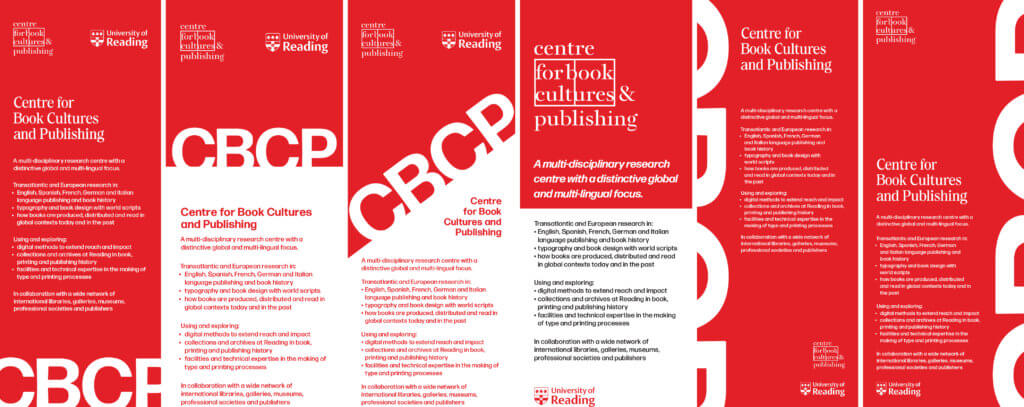
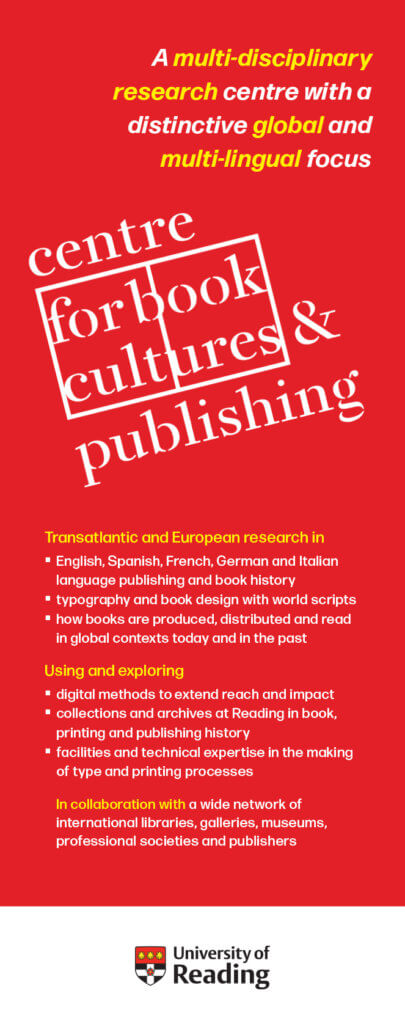
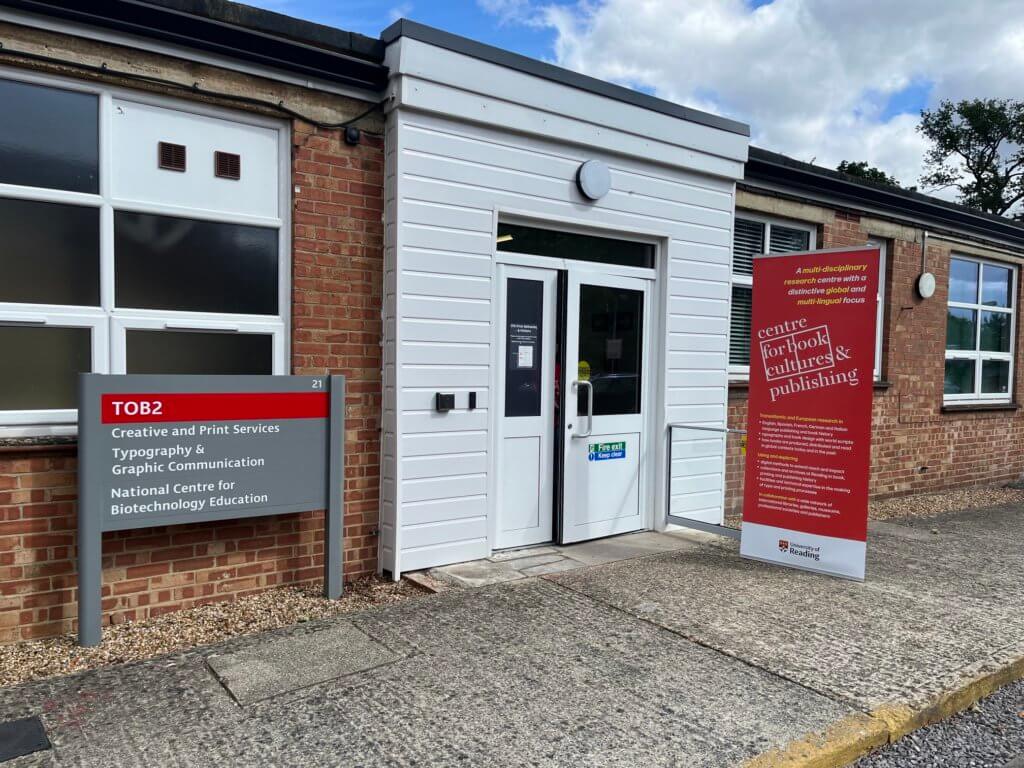
3 banners were requested from Sue directly; these banners would be placed in the 3 locations the conference took place in, allowing all attendees to have a ‘landmark’ to know they are in the correct location of the conference. Additionally, the banner would be designed to promote the SHARP brand after the conference has ended. Since the time of the real job, the banner has made appearances in the opening of the new print workshop in the Typography Department.

Tote bag:

The tote bag would be used as a way to show off the SHARP 2024 logo and brand colour, allowing people to identify attendees of the event. Additionally, the tote bag will be able to hold the conference programme (Deliverable 1) and any other material that attendees pick up during the event.

Name tag:

Used to help identify other attendees of the event alongside naming guest speakers during the conference. The event had people attend from all over the world; the name tags would be beneficial to help with socialising and recognition of speakers and guests. 

T-shirt:

Designed to promote the SHARP 2024 branding, these t-shirts would be worn by volunteers of the conference. 

Programme Design 

Stage 1: 

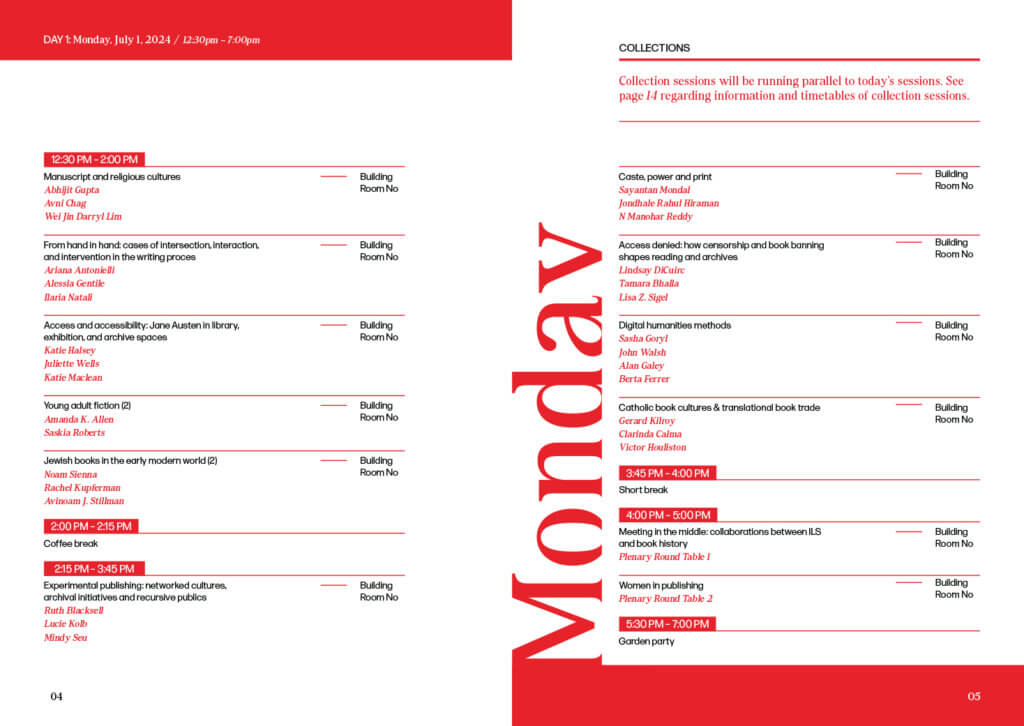
We received a version of the conference table and started designing some page layouts on how we wanted a spread to look. Our most important goal with these was to separate out the information in a clear and accessible way.

Initial sketches of page layouts for the programme

Stage 2: 

We gained some initial feedback from our client regarding certain design choices in our concepts; the rotated days of the week were something the client wanted us to stay away from for legibility reasons. Alongside this, our client liked the rule approach we took into separating out our information.

Rendered version of page layouts for the programme exploring the use of a sans serif and serif typeface
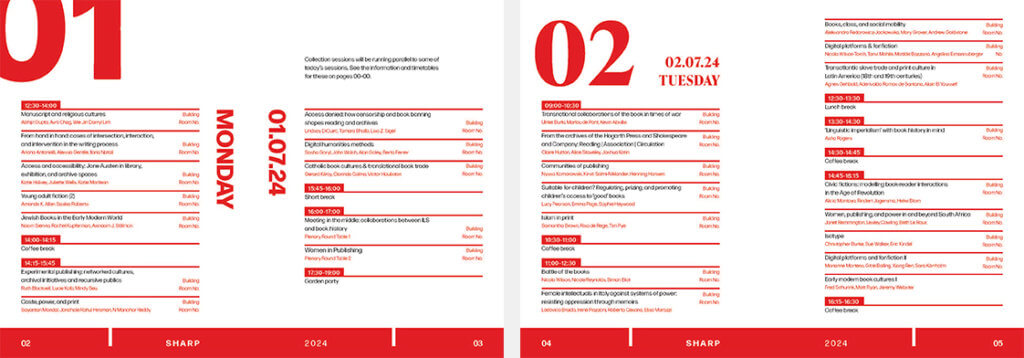
First large adjustment to the programme, defining the rules and spacing for information. Day of the week has been added in a serif typeface and rotated to the edge of the booklet.

Stage 3:

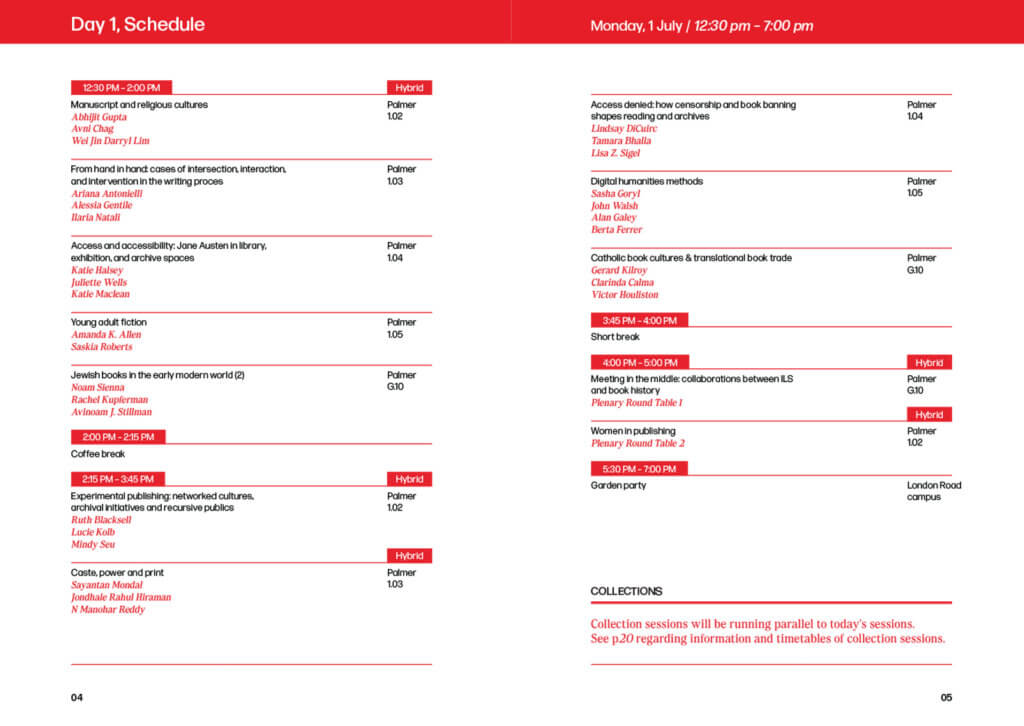
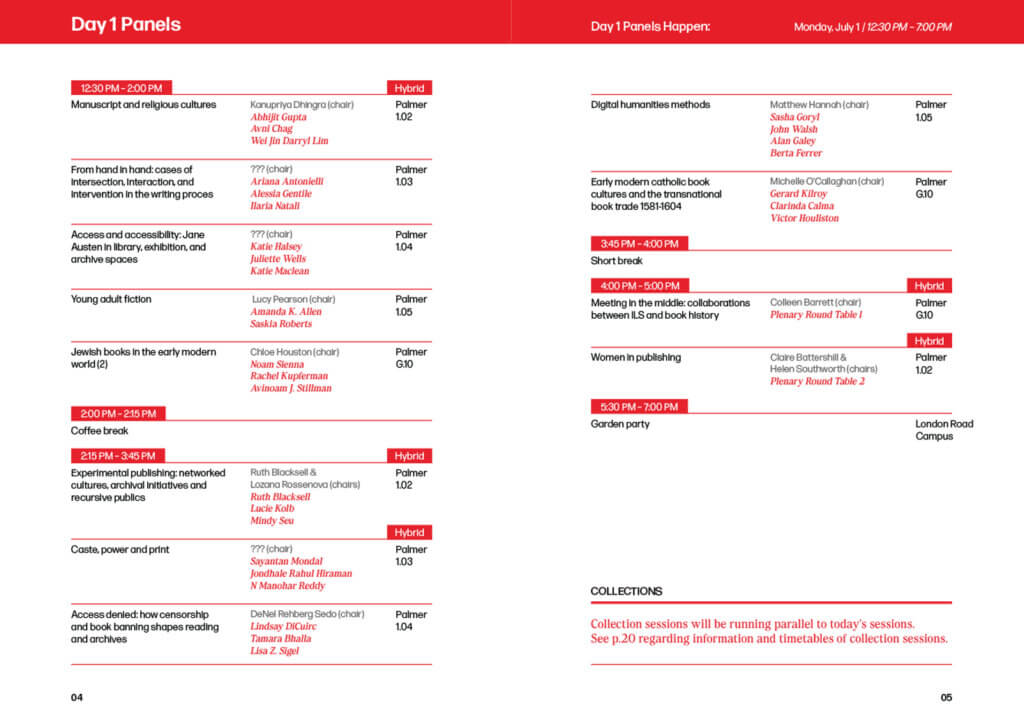
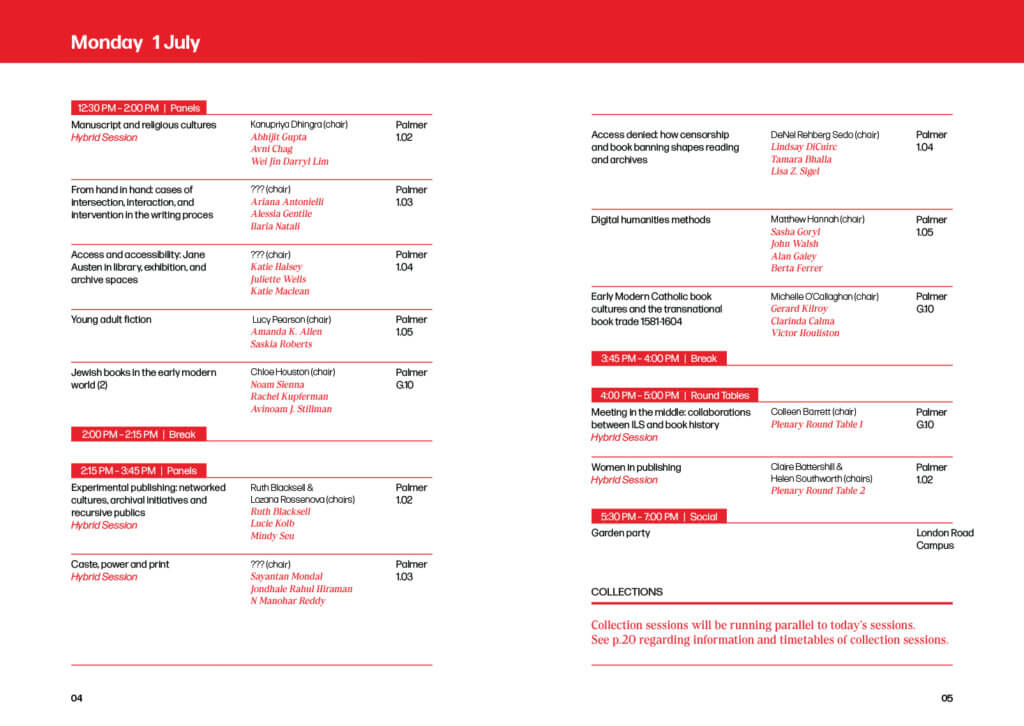
After the feedback, we refined what the spreads looked like based on multiple rounds of client feedback. Some of the major changes were the spacing between information, the running head and folios, and the introduction of new information that our client wanted in the programme. With these changes, our client was happy with the overall design of the programme. From this point we had to make many small adjustments to the spacing and typography of the programme pages, as the conference table would constantly be changed and updated from the start of the designing to the end of the project.

Large day of the week has been removed from client feedback and added into the running head. The grid for the information has occupied the space previously taken by the day of the week.
Additional information was needed in the booklet; the grid was adjusted from a 2-column to a 3-column to help manage the amount of information.
Final refinements saw the types of sessions, such as ‘hybrid sessions,’ placed under the session name rather than in their own block. The running head was also refined.

Stage 4:

The collections pages were the last aspect of the programme that we needed to refine and adjust before our client was happy with the finished designs. The main issue we found was the repeating information throughout the day alongside the names of certain locations that would not fit into the grid system. After multiple adjustments, we settled on a system to present the information with the client and utilised it for the collection pages. 

The initial concept of the collection page where imagery provided by the client could be used.
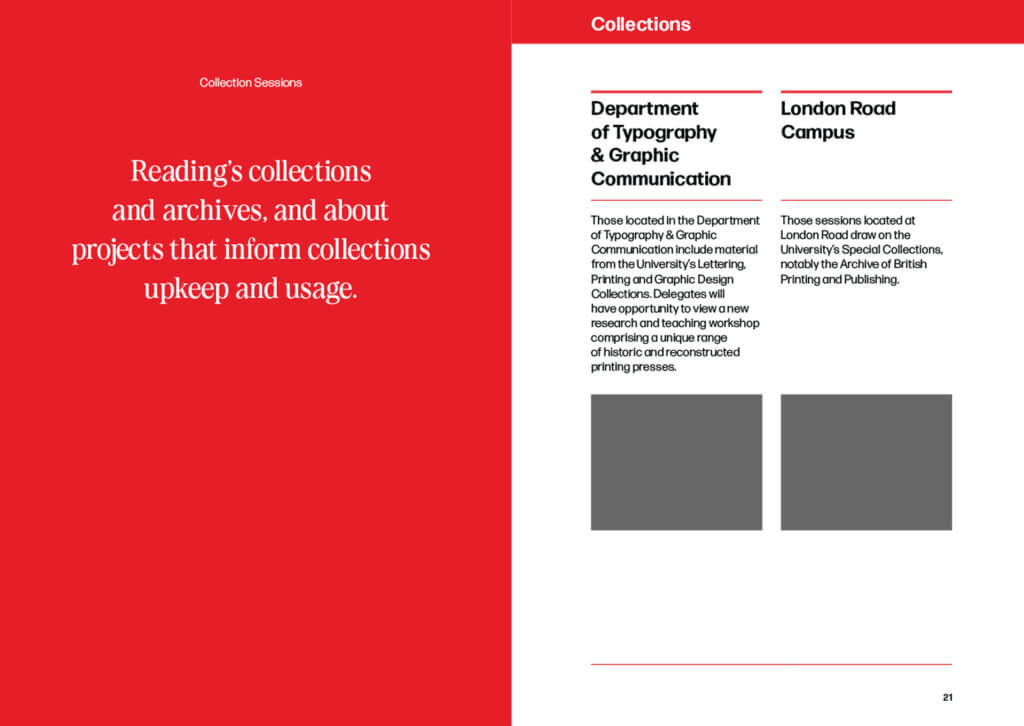
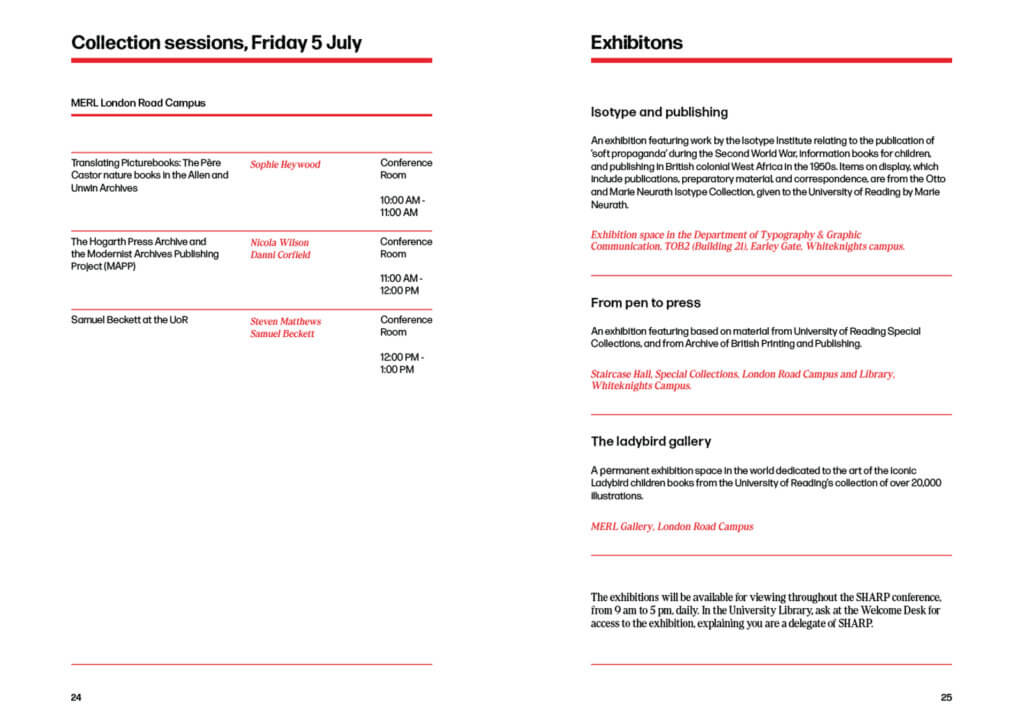
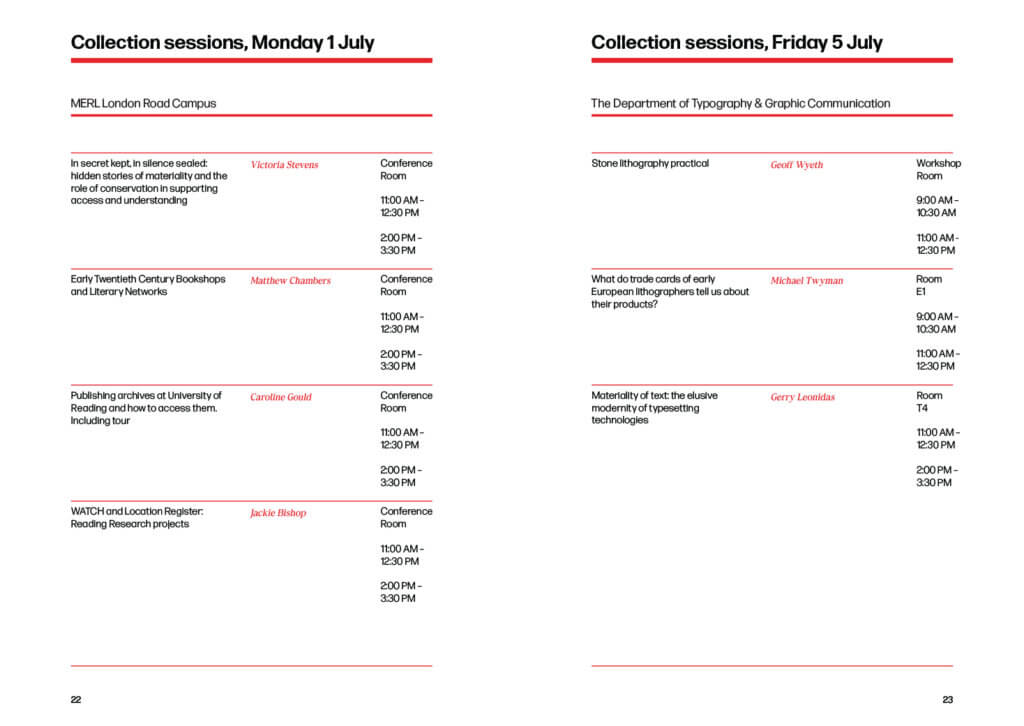
The page layout changed, utilising the 3-column grid system in the rest of the programme. The information was separated out by day and location.
Repeated collection sessions were added into the pages
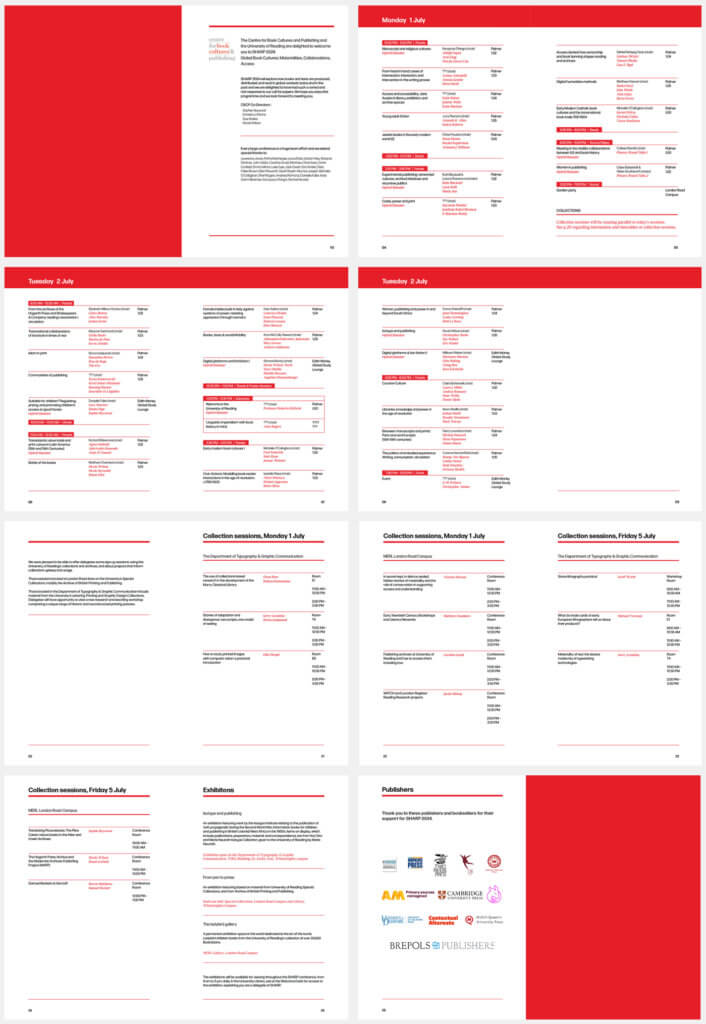
Final page layouts.

Banner Design 

Stage 1: 

The banner designs were a little different from the rest of the branding as it wanted to be linked to the SHARP 2024 Conference but not use any of the branding assets. Instead, it wanted to show off the Centre for Book Cultures and Publishing (CBCP) brand, allowing it to be utilised after the conference ended. We created some initial ideas to show our client.

Initial concepts for the pull-up banner design. Utilising the SHARP colours but the CBCP logo.

Stage 2:

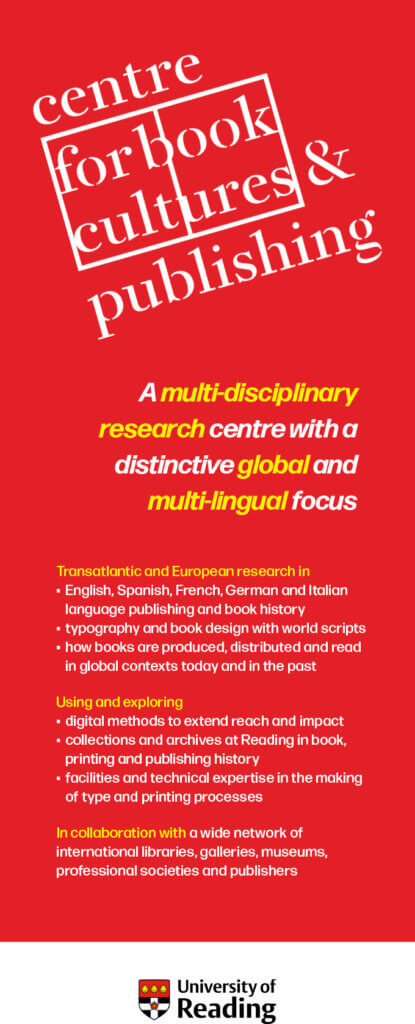
The feedback from the initial concepts was good; however, the client was not fully sold on some of the concepts. We were fortunate enough to gain some insight from Paul Luna, who created the CBCP logo, on his own spin on the banner design, which our client loved when we presented it to her.

Paul Luna’s take on the pull-up banner design which we refined
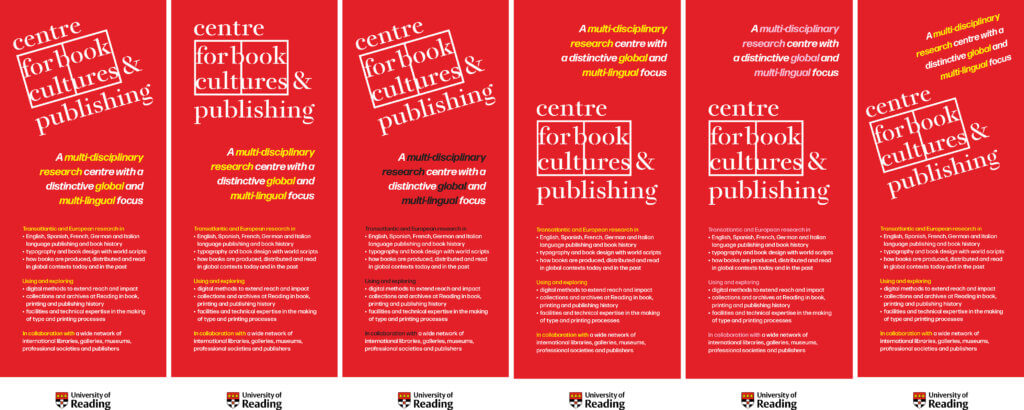
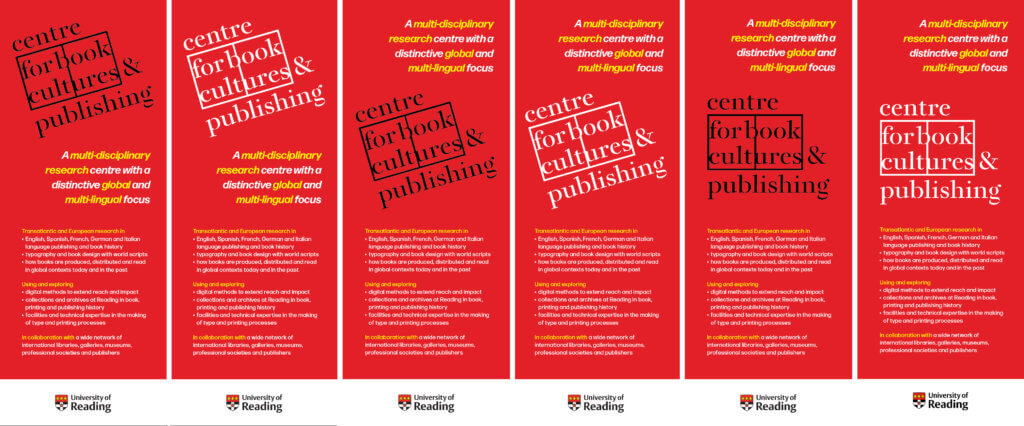
Variations of Paul Luna’s design with different placements and colours to highlight important information.

Stage 3:

From Paul Luna’s help with the banner, we made some final refinements to the typography, layout/colour of the logo and some of the body copy before the banner was signed off by our client.

Moving forward with the yellow in the design, we looked at other final variations to propose to our client.
Final Pull-Up Banner design.
Final product being displayed outside the Typography building during the conference.

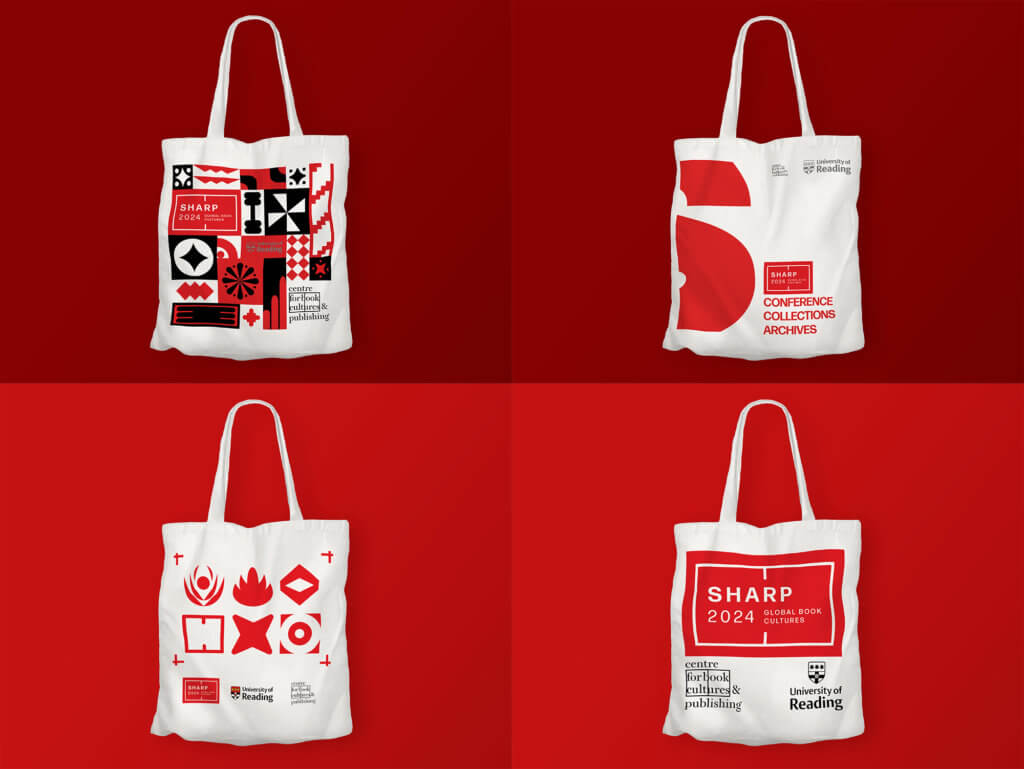
Tote Bag Design  

Stage 1: 

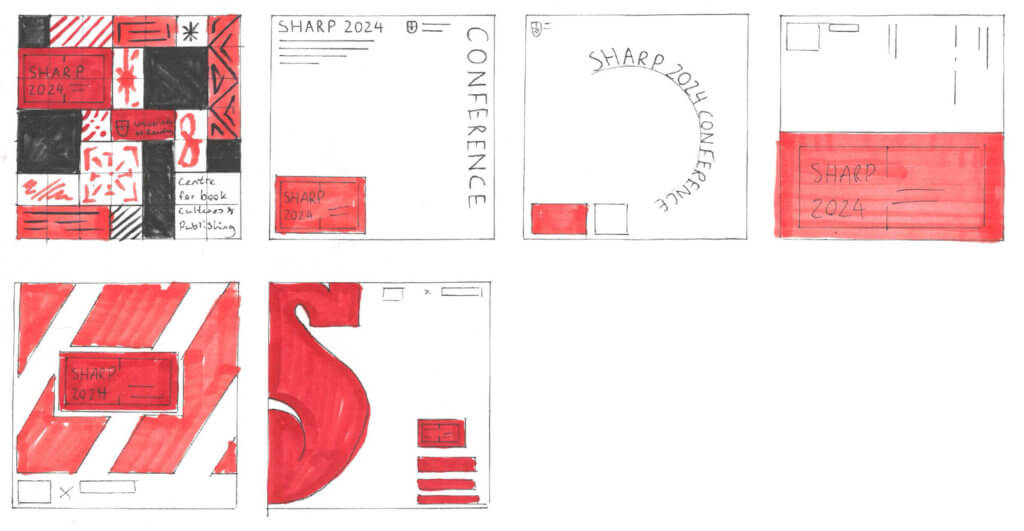
With our initial sketches, we wanted to push the boundaries of how creative we could be with the design of the tote bag. This was with the understanding that this deliverables purpose was to show off attendees of the event who would be walking around the University of Reading campus rather than providing information.

Initial concepts for the tote bag designs.
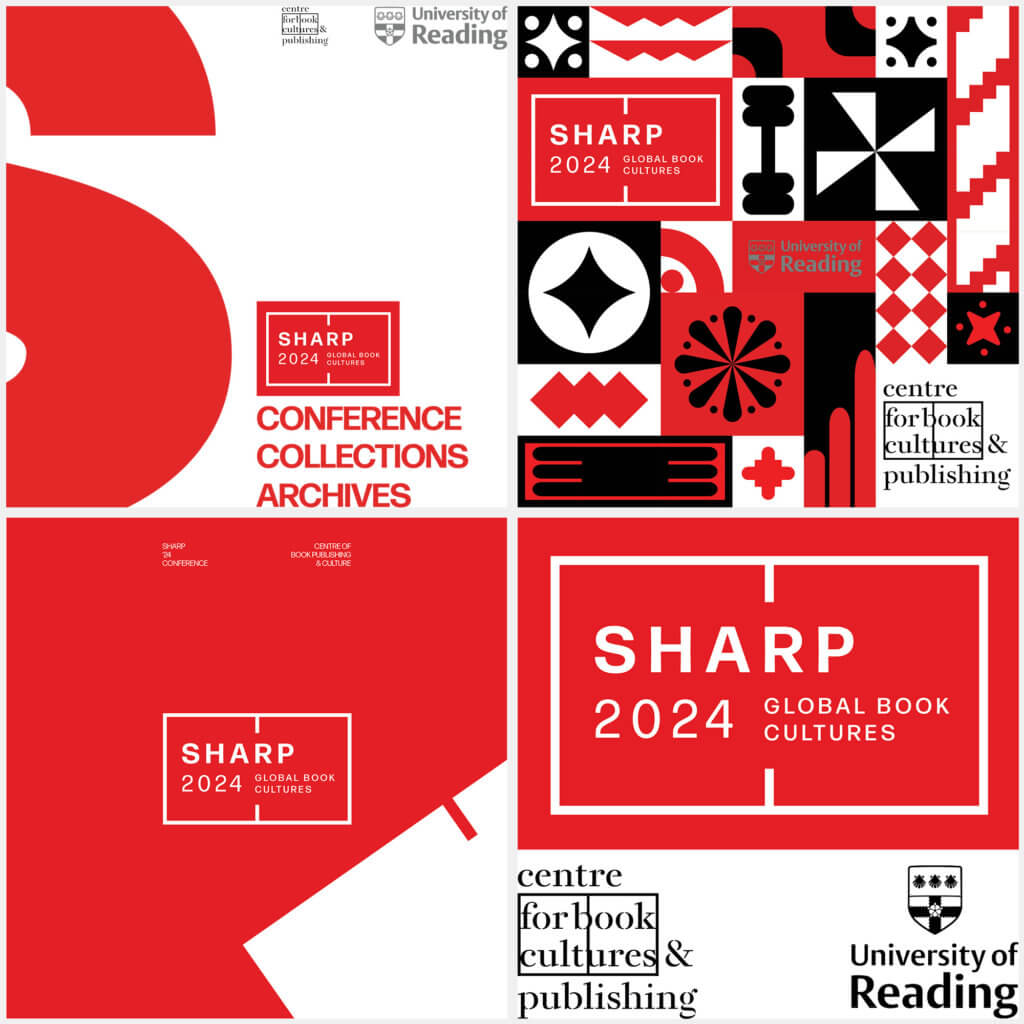
Refined cocnepts that were presented to the client.
Mock up versions of the designs to present to the client to give an accurate picuture of what the end product would look like.

Stage 2: 

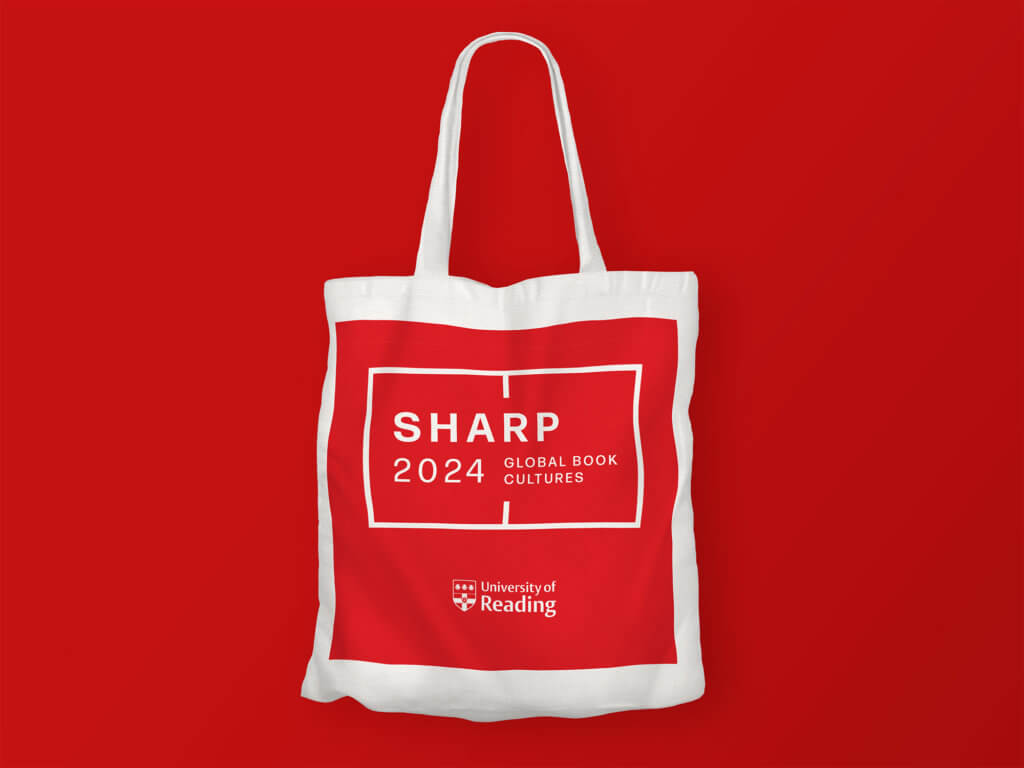
The previous designs were rejected, and we then took a simpler approach with how we would create the tote bag. We attempted to utilise the shape of the SHARP 2024 logo; however, this was also rejected. We found that just showing off the SHARP 2024 logo on the punchy red background would be the best way to show off attendees and the brand. 

Stage 3: 

The tote bag gave us some issue when looking at the manufacturing. We initially agreed to show off the SHARP 2024 logo along with the University of Reading and CBCP logos. To stay within the budget for the conference, we had to drop the CBCP logo as they only had a black logo in the brand guidelines. This would result in us printing in two colours, driving up the price. 

Final tote bag design.

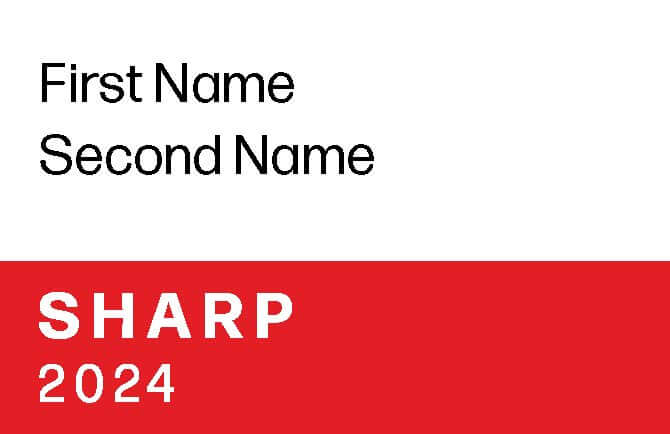
Name Tag Design 

Stage 1: 

When drafting some concepts of what the name tag would look like, we had the appraoch that the design would be a lanyard that would be seen at other conferences or passes at music events rather than a nametag. This idea was discussed with our client before any design work was started. Our concepts took a different approach to the rest of the branding, trying to incorporate some images that our client provided.

Lanyard concepts to present to the client showing how we can present the information required.
Concept that focused more on including imagery that the client provided.


Stage 2: 

Understandably, the designs were rejected for not fitting in with the other branding of the event, so we simplified it down to mirror the other deliverables created. The next issue we faced was the cost of producing 400 lanyards + plastic tags with the design. Unfortunately, despite all efforts to reduce costs of the deliverable, we had to pivot from the lanyard into a name tag to meet budget restrictions.

Final name tag design.

T-shirt Design 

Stage 1: 

The T-shirt design was straightforward. The client wanted a red T-shirt with the CBCP logo printed on the front so that they can utilise the T-shirts for any future events. 

Final T-shirt design.

Conclusion 

We believe the project was a great success in terms of meeting the brief and what our client was expecting. Our client was very happy with the outcome of the deliverables, and the conference ran smoothly. As our first real job, it was a valuable experience working alongside Sue, who had a great eye for typographic details, elevating the outcome of the work produced. 

While we were happy with the final outcome, there were some areas within the real job that gave us some challenges. Firstly, both us and the client were waiting on confirmation for the wanted deliverables for this project. This ran down the amount of time we had to create and produce all 5 deliverables, making the final month stressful to meet the final deadline. Secondly, the constant updating of the programme schedule on behalf of SHARP led us to have to change and make adjustments to the programme constantly and long after the design was completed, taking time away from other deliverables. Finally, we found that budget restrictions were a big issue in the decision-making for multiple deliverables. This led us to feel that we had to simplify some deliverables to meet the restrictions. 

As a result of this real job, we both believe that we have become better designers in working alongside clients but also better at communicating our intentions and ideas, which will be a great skill to have experience with for any future jobs we partake in. We have both found enjoyment within this branding project and would be open to more branding opportunities in the future. 

Inspired Earth Design

Background/overview

Inspired Earth Design is a landscape and garden design company that orchestrates and produces beautifully constructed garden layouts. They carefully curate landscape designs to match their customers’ exact needs and find a comfortable balance between beauty and sustainability. The clients, Emily and Jude, work closely with their customers to create a garden design that matches their overall style and aesthetic. The Inspired Earth Design team won gold at the RHS Hampton Court Garden Festival, where they competed in designing the perfect garden that reflected ‘Americas Wild’. This real job aimed to create an instantly recognisable logo highlighting the company’s expertise in garden design in a modern yet feminine style.

Restated Brief

The main deliverables for this project were a primary logo and a logo mark, which will accompany their new website launch. Upon meeting with the clients, we discussed their brand, target audience, previous logo, and aspirations for this project. This meeting allowed me to gain an understanding of who the clients were, what they wanted, and how I could achieve this for them.

Target Audience

  • Women who have a disposable income, and an interest in sustainability.
  • Customers who have a love for nature and preserving the environment.
  • eco-conscious and environmentally friendly people may want to create a garden that maximises their space to plant and grow fruit and vegetables. As well as gardens that support biodiversity, rainwater harvesting, and looking after insects.
  • Clients who take pride in their gardens and wish to turn their house into a home.

Research

Before completing the design process, the main starting point for this project was to conduct a thorough analysis of Inspired Earths Design company. For example, what their primary goals are within the logo, who their competitors are, and the foundation of other logos within the gardening sector.

Competitors

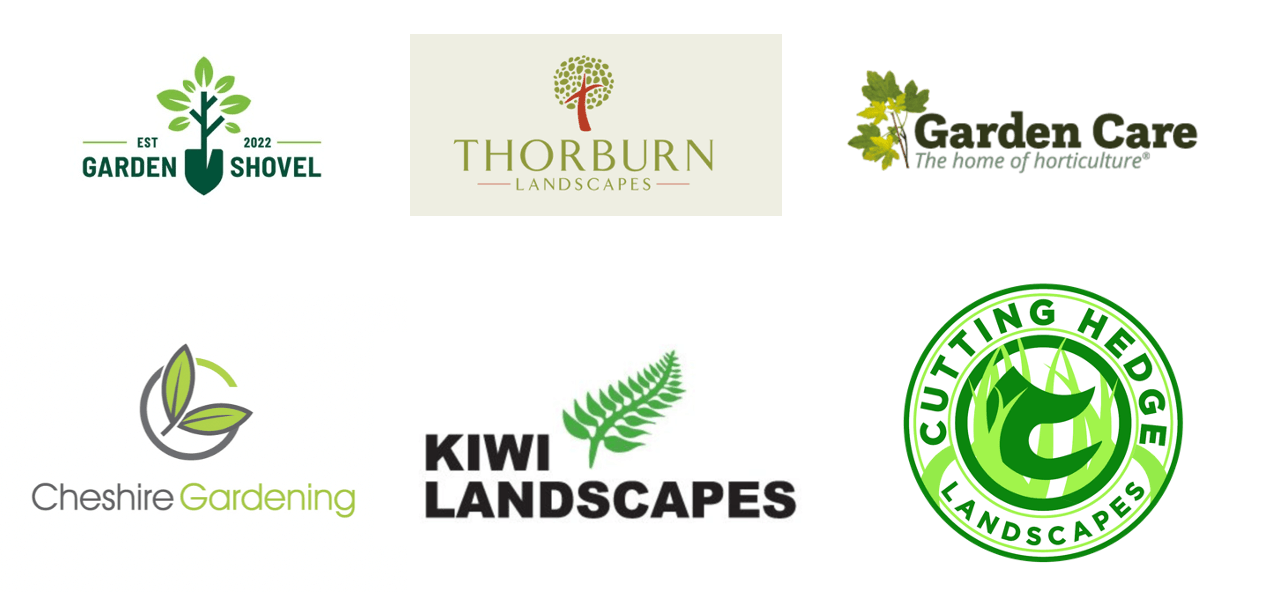
Main competitor logos in the gardening design community

Initially, looking at their competitors’ logos, the designs roughly followed the same format. The logos are pointy, mainly typographical, and use a vivid lime green. These brand identities are bold, modern, and somewhat masculine. The client’s general idea is to create a brand that visually stands out compared to these and emphasises their feminine, gentle, and hands-on qualities.

Other Gardening Logos

Upon researching other logos within the garden design and landscape community, there are several common themes that each logo possesses.

  • Garden design logos usually use a vivid shade of light lime green and feature elements from nature, such as plants, leaves, trees, and flowers.
  • A common recurring word/ theme is garden, landscape and green.
  • There are not many typographic logos only using the company name or the initials of the company in the logo.
  • Serif logos make the company appear older and slightly out of date, they are not modern, new, or fresh.
  • Circular logos are very popular in gardening as they help enhance organic shapes.
Other general logos within the gardening community

Initial Design Ideas

  • A modern timeless logo that can be used for an extended time.
  • Emphasise the feminine touch within the logo that represents the client’s attributes and qualities that help them stand out compared to their competitors.
  • A use of gentle and elegant typography that is clean and bold but doesn’t take away from the logo mark.
  • An elegant and subtle colour scheme that reflects the personality of Inspired Earth Design and works cohesively with their website.
  • The logo mark should consist of the brand’s initials, ‘IED’.
  • Explore the use of natural scenery, such as leaves, plants, flowers, trees, and more.

Design Stage

Upon completing the general research and meeting with the clients, it was now clear what type of logo the clients wanted. This research acted as a solid foundation for the rest of the project. The goal now was to create a feminine logo that included the company’s initials with a naturalistic aspect and organic shapes and designs.

Logo Design

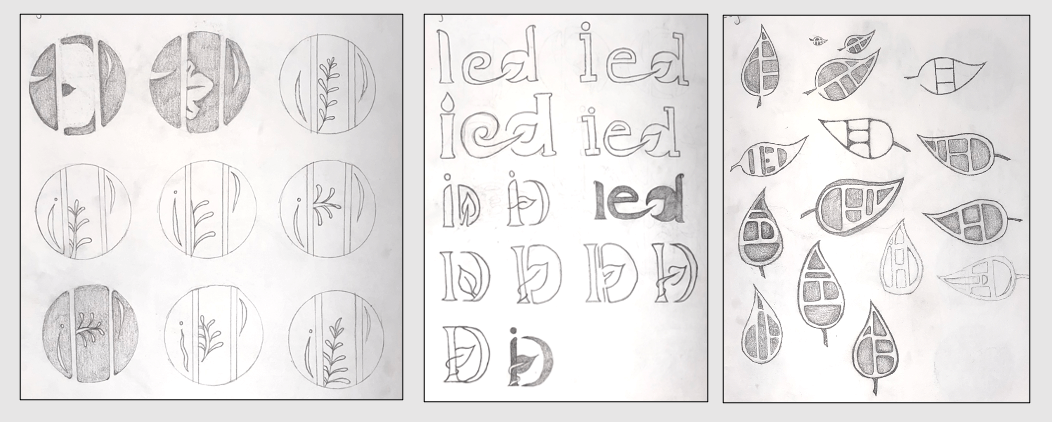
The initial logo sketches all considered incorporating Inspired Earth Designs initials with leaves, trees, and plants in an organic and feminine style. These logo ideas were explored using the company’s initials in a range of different ways to get an idea of which direction the clients wanted to take. Upon showing the sketches to my clients, we decided on three main logos to develop further and test how they would work digitally.

Initial logo designs combining the initials IED and leaves

Three Chosen Logos

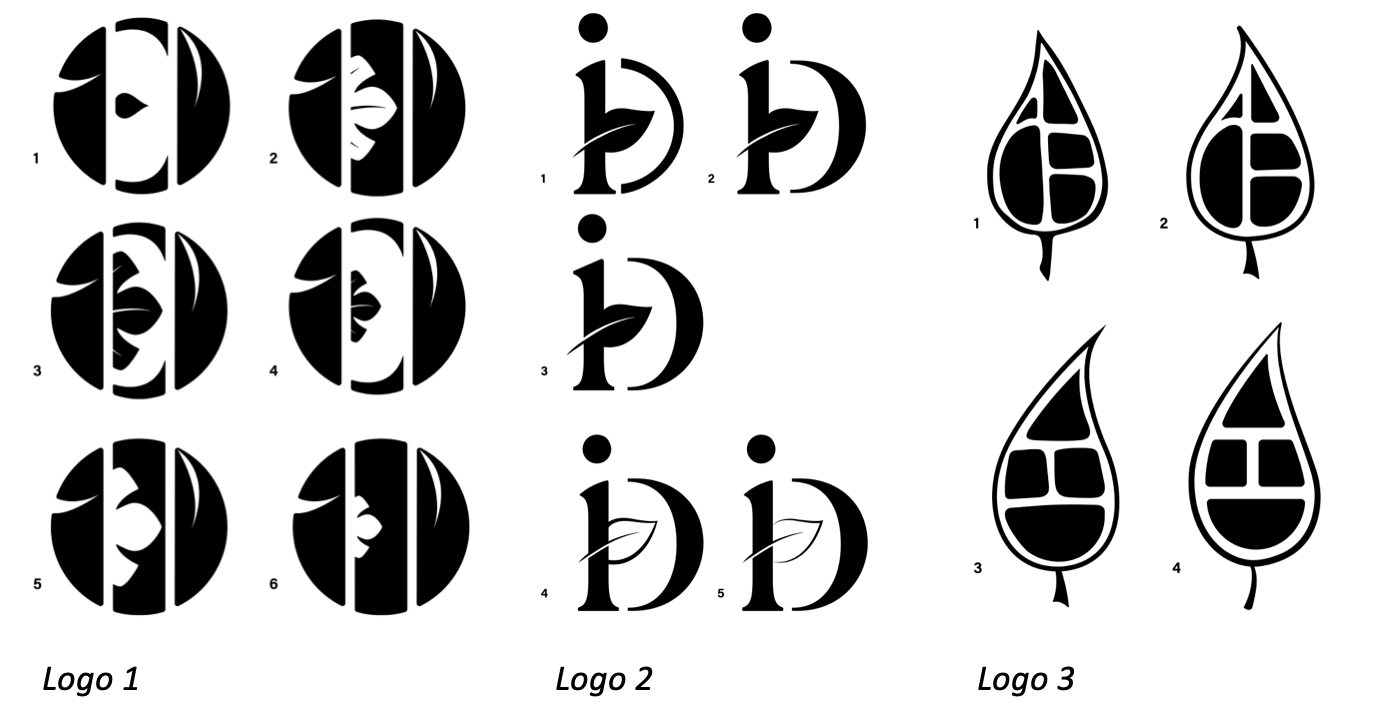
Upon creating the logos and reviewing them digitally, my supervisor and I decided the third logo did not translate well onto the screen. While the sketches for this idea were among the strongest, we found that after creating the logo digitally, it became one of the weakest. After receiving feedback from the clients, we decided logo 1 was the strongest and had the most potential for their company. They found that this logo design effectively communicated their brand identity and highlighted their feminine qualities and modern style.

Three chosen logo sketches


Creating the logos digitally

Further Development

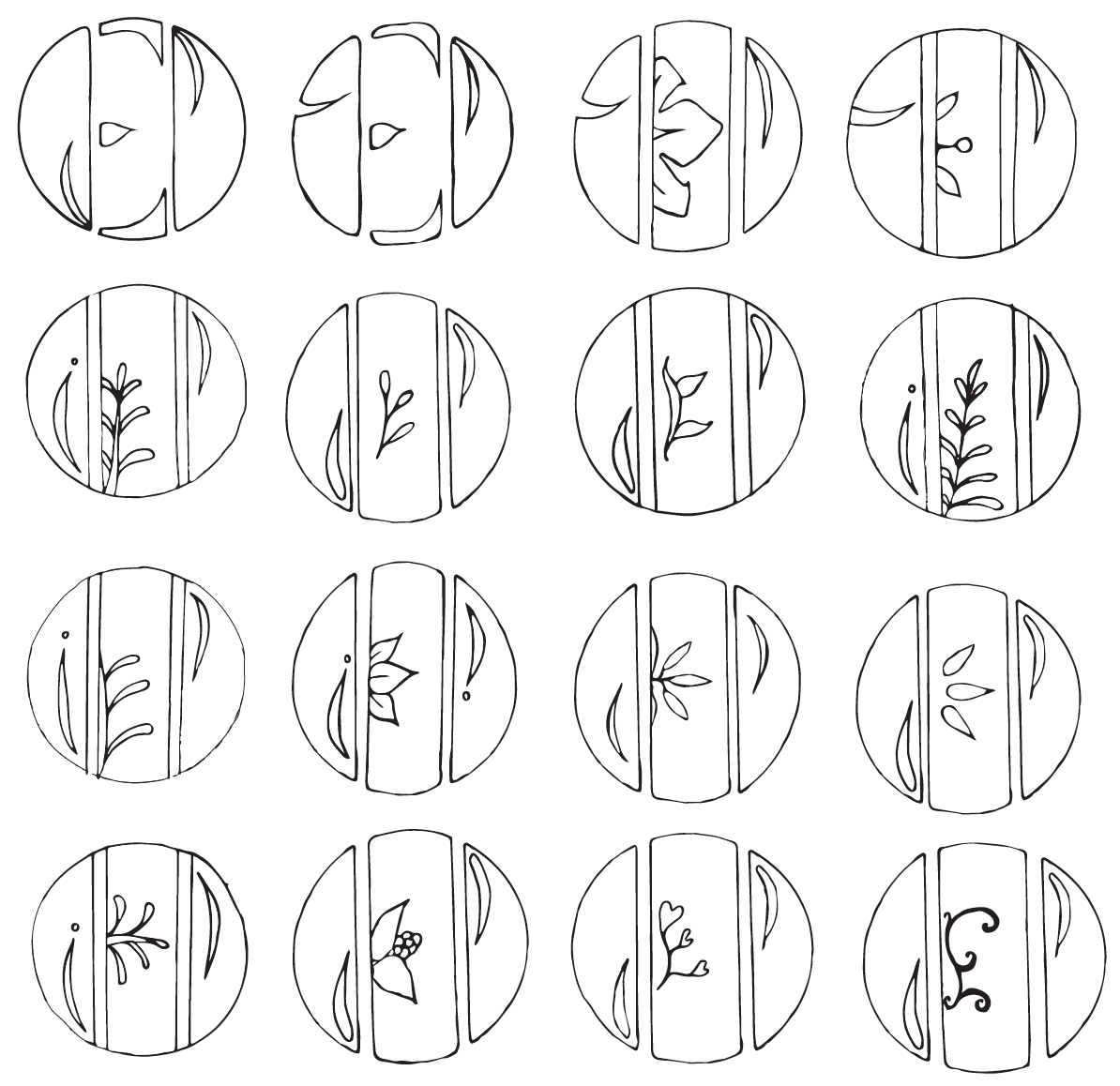
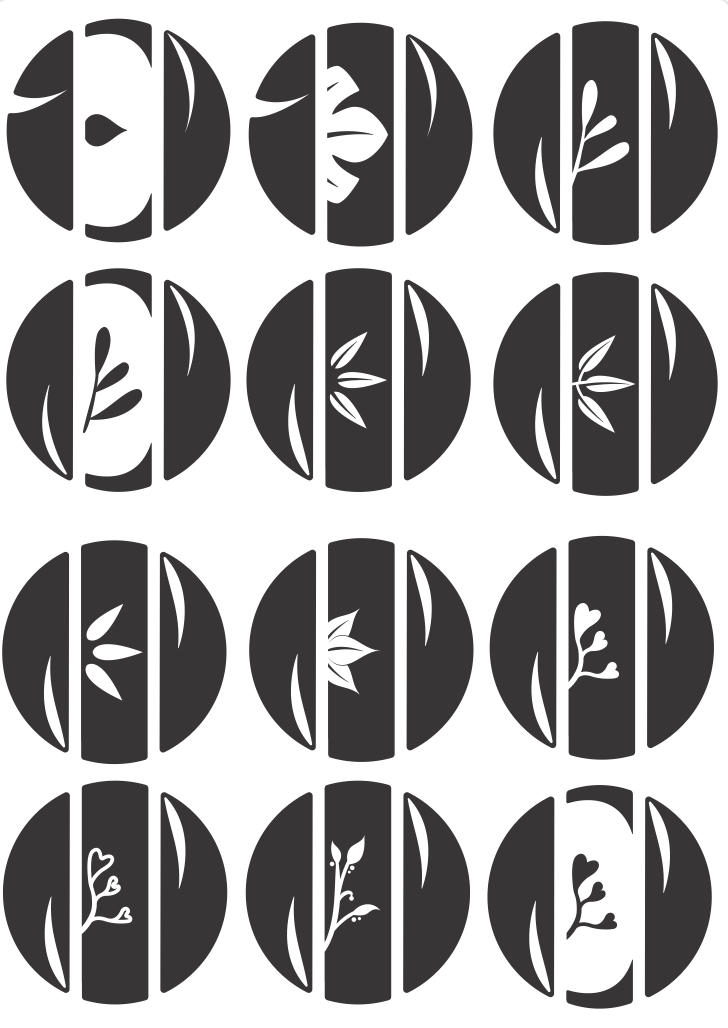
My supervisor then suggested looking at other leaves or plants for the centre of the ‘E’ as this is the main focal point within the logo and should be more visually interesting. Upon researching several other plants and leaves that resembled the letter E, such as ferns, mistletoe, monstera leaves, philodendrons and more. I sketched out the new ideas and then chose the strongest ones to gauge how they worked digitally.

Further developed sketches for logo 1


Experiments with different plants and leaves that symbolise the letter E digitally

Upon showing these digital logos to the clients for review, the clients had three top choices that interested them the most. The clients felt the clean and modernness of Logo 3 had a strong and impactful message displaying their brand. However, they thought that Logos 1 and 2 held more personality and were visually interesting. At this stage, we were torn between which of these three variations captured Inspired Earth Design fully and in a feminine and organic way. While my supervisor and I felt Logo 3 was the strongest, the clients ultimately chose Logo 2 as the final version. This second logo is more playful than the others, yet the thick and thin strokes with the gentle berries add a more natural, handmade style that perfectly reflects the client’s hands-on company.

The three strongest logo design variations

Experimenting with Typefaces

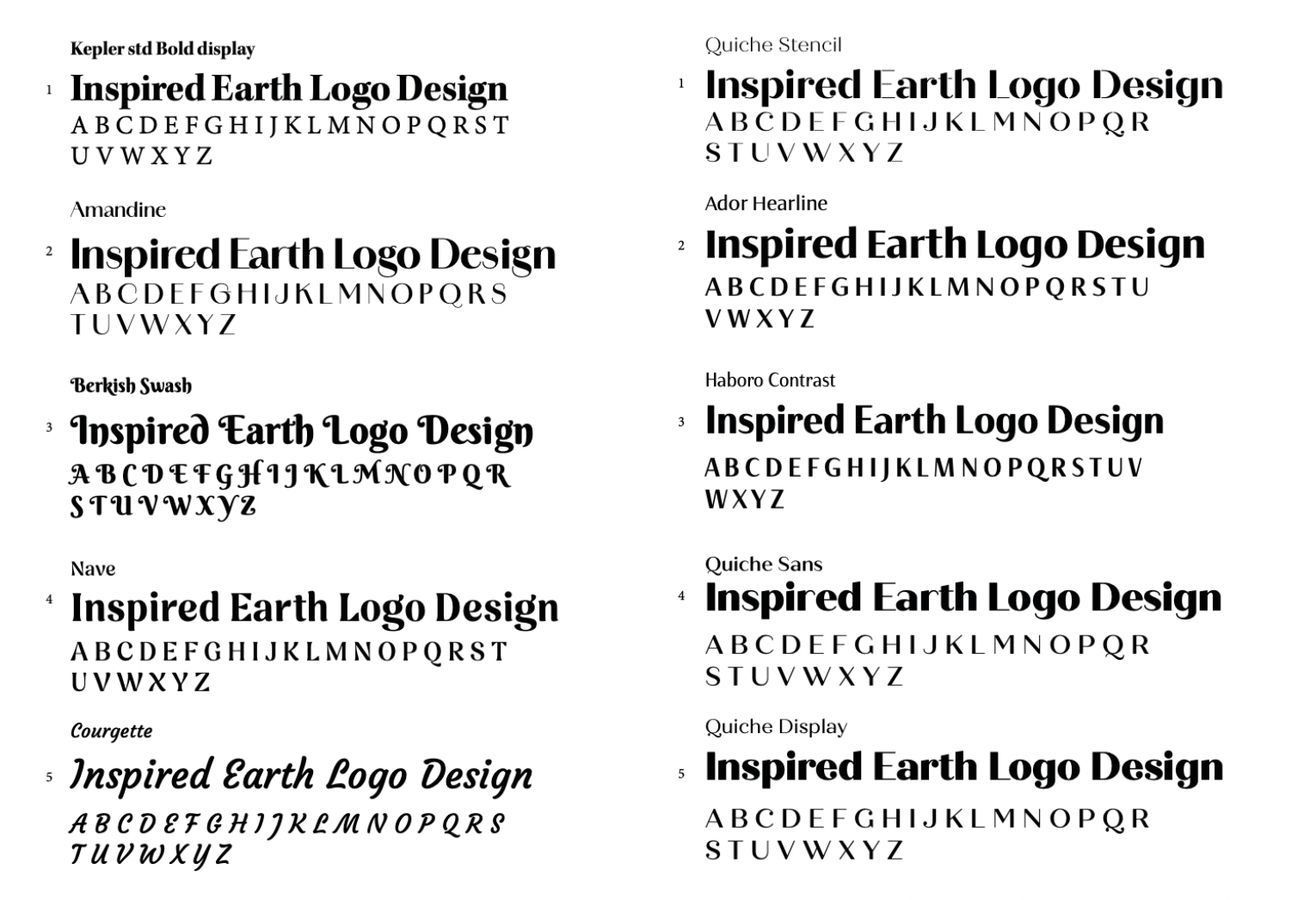
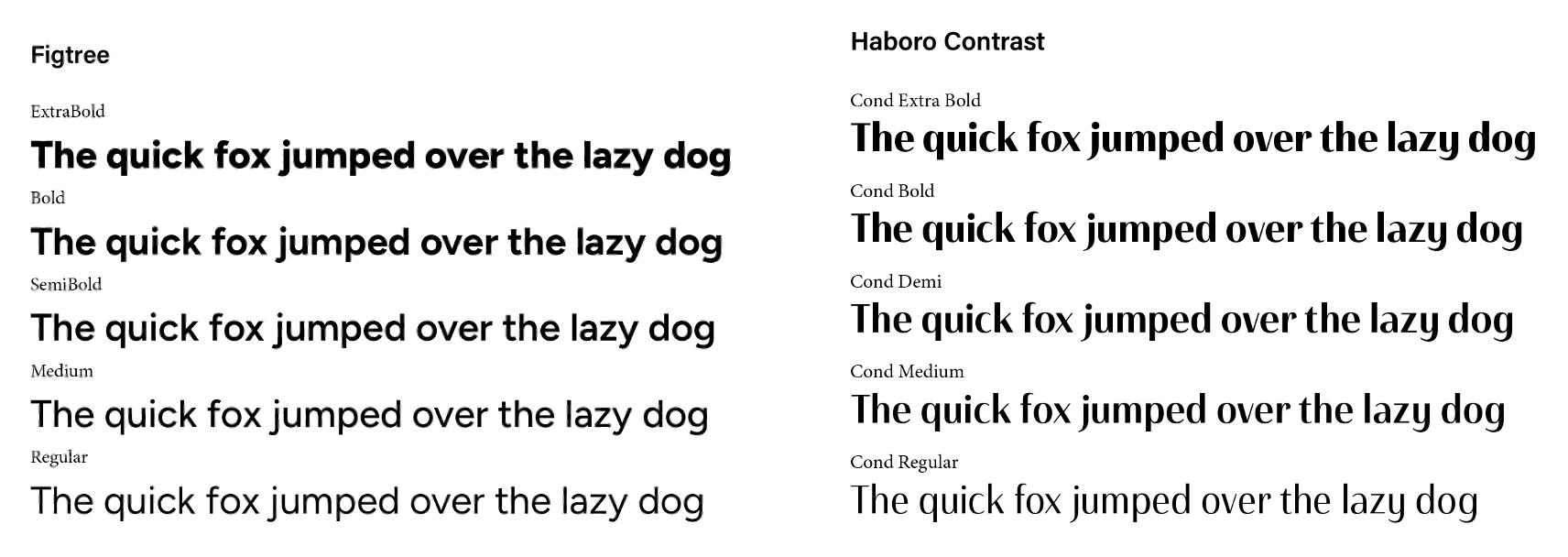
Initially researching typefaces, I decided to look at clean fonts with a strong thick and thin contrast, as this style displays an elegant, more natural style which the clients want to achieve. Upon receiving feedback from my supervisor, we found the sans-serif fonts held the most potential with the logo design. Additionally, we concluded that the typefaces would work best in bold as the logo mark is quite strong, and a delicate light typeface would create an off-balance visual. When reviewing the typeface options with the clients, we chose two primary fonts: Haboro Contrast, and Figtree. We initially chose Haboro contrast as the final font, however, after more consideration, the clients chose to use Figtree as this is also the font being used within their new website.

Initial typeface options


Two chosen typeface options


Format and Layout

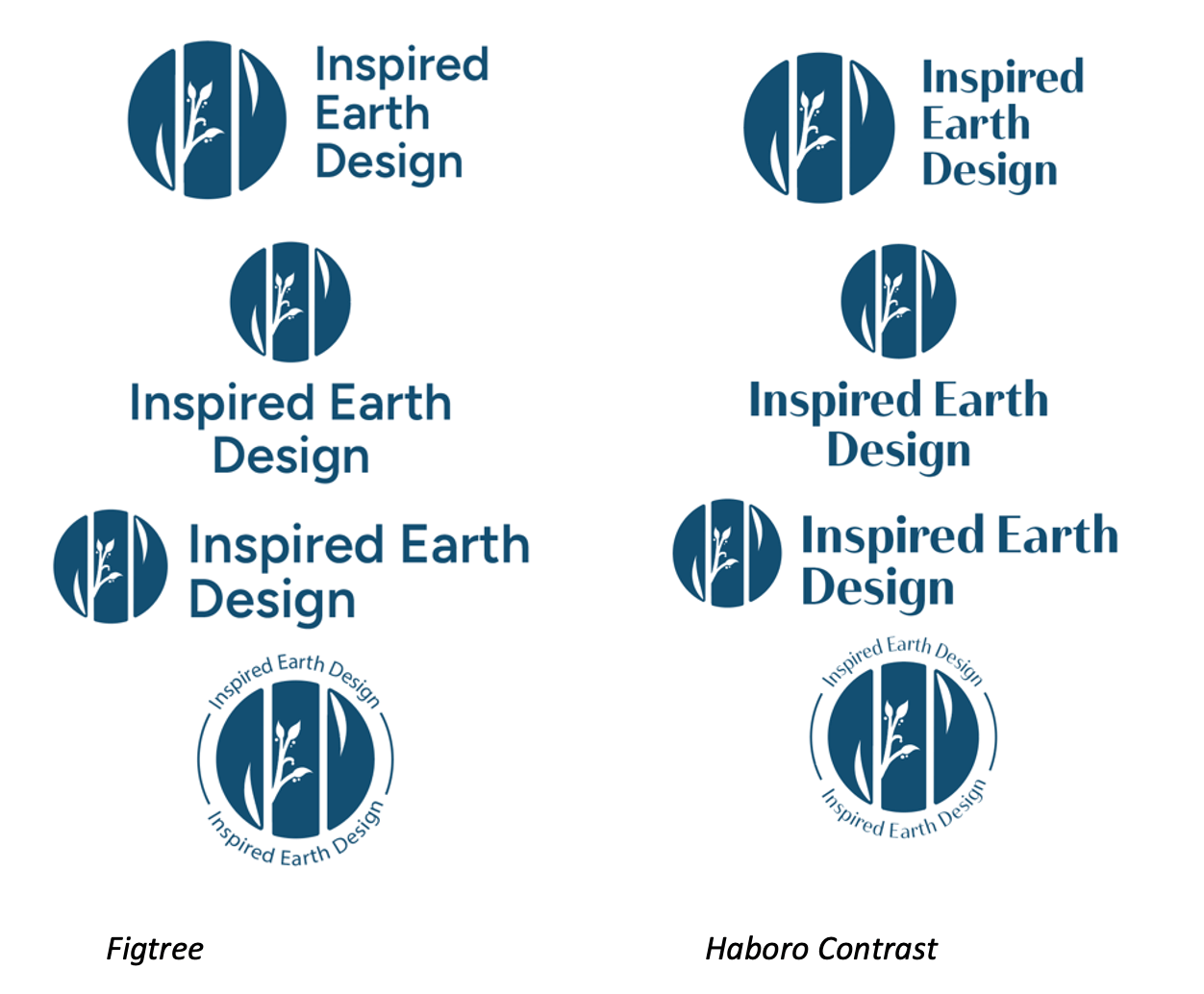
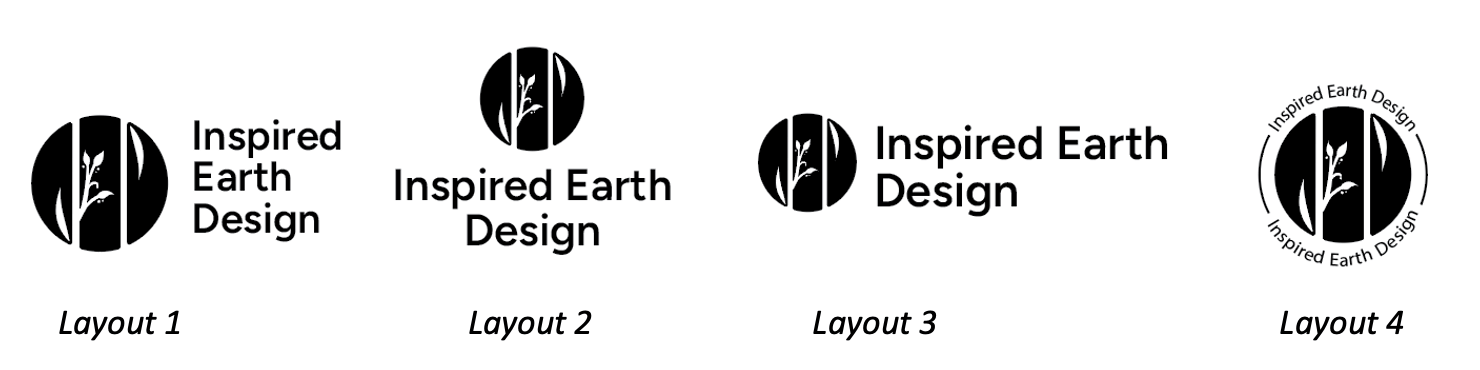
Upon selecting two main typeface options, these were then used and organised against the logo to experiment with the format and layout options. This layout experimentation also worked as a way to distinguish which font should be the primary typeface within the logo design. In this experiment, we struggled when selecting the primary font, while my supervisor and I found Haboro Contrast to be the strongest typeface with the most potential, the clients ultimately preferred Figtree. As a result, we initially chose Haboro contrast as the final font, however, after more consideration, the clients chose to use Figtree as this is also the font being used within their new website. The clients and my supervisor both thought Layout 1 worked best alongside the logo, as the other layouts were not as strong and made the logo look off-balanced.

Experimenting with layout, typefaces and colour


Examples of different layout options

Colour Scheme

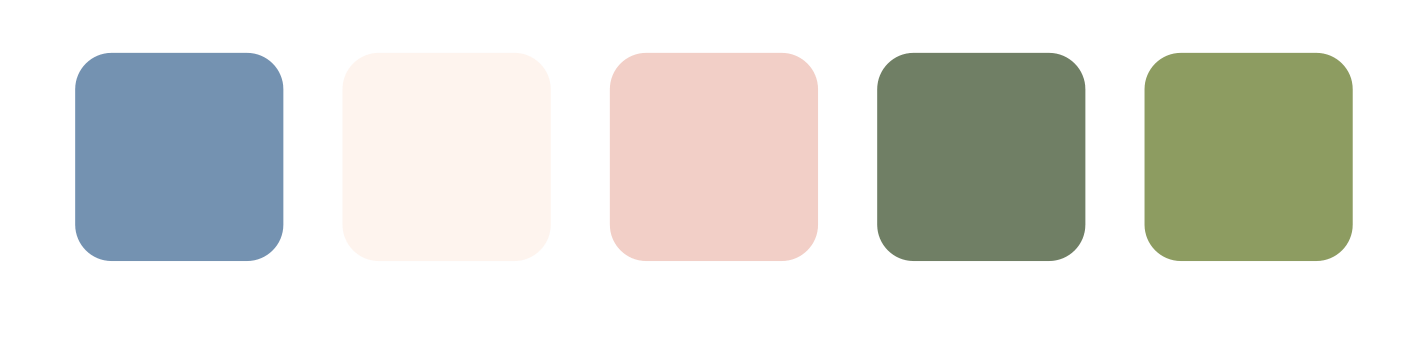
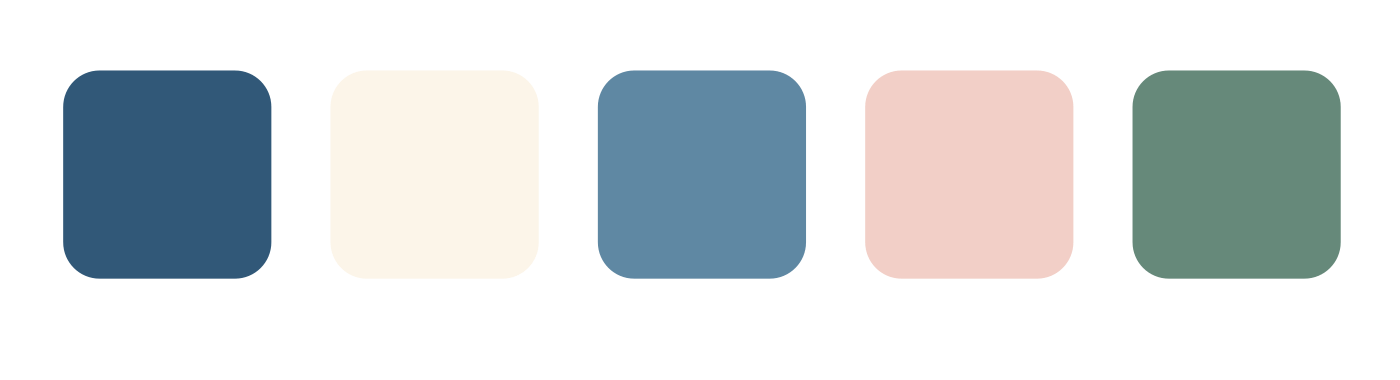
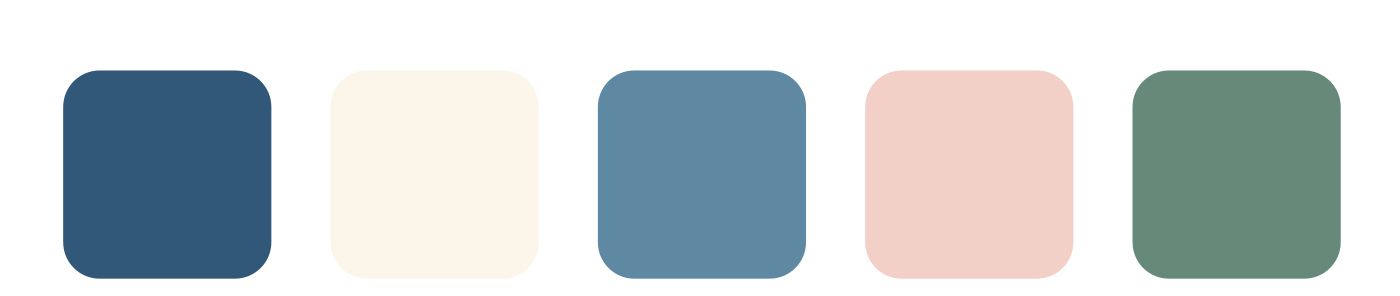
Starting this project, the clients informed me they already had a few options for the colour scheme; they carefully curated a colour palette that matched their new website design, which consisted of navy blues, light pinks and little to no greens. The clients mentioned they wished to avoid green and earthy tones as a way to stand out from their competitors. However, as greens are associated with gardening and nature, it seemed appropriate to suggest a few shades that could match their original colour scheme.

Client colour scheme 1

Client colour scheme 2
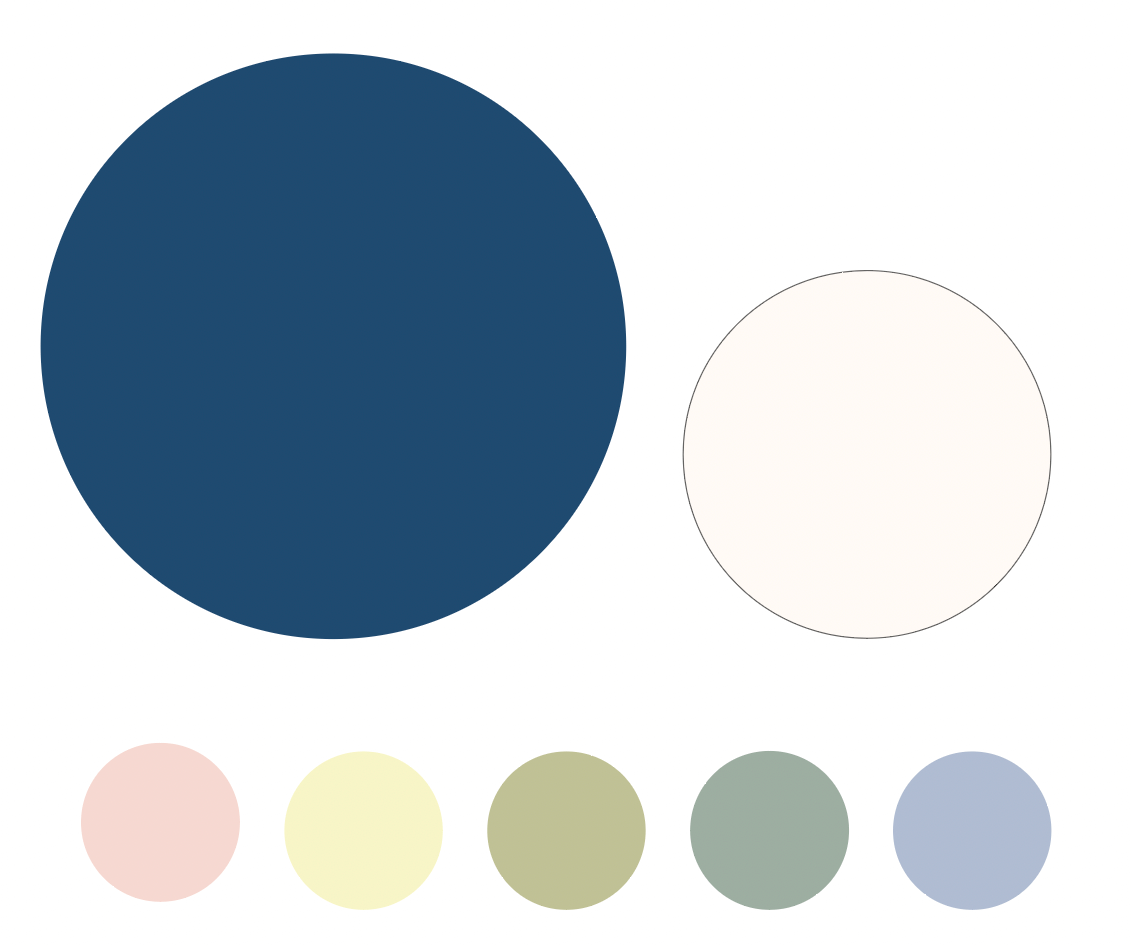
Proposed colour scheme

Upon designing an updated colour palette that works with the client’s primary blue and pastel pink, it became clear that these tones could not be used as a primary colour for the logo. The tones are too light and delicate to have a strong enough contrast for high legibility. However, as the clients love these accent colours, so we decided that these tones should only be used behind the primary dark blue within the logo. This ensures a high enough contrast and, therefore, strong legibility while also displaying the light and gentle attributes of Inspired Earth Design.

Final Logo

Logo symbol in blue


Full logo in blue


Brand Guidelines

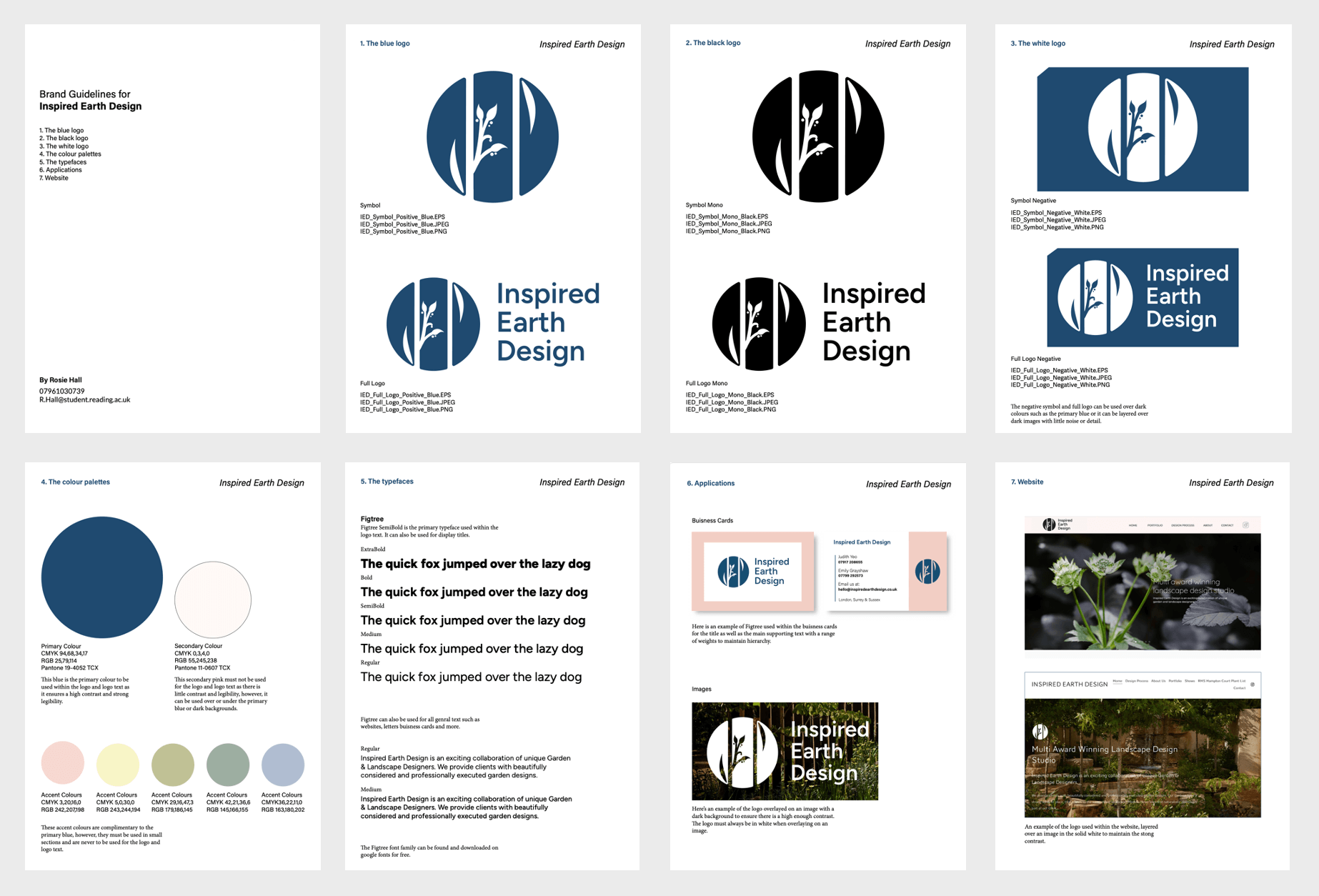
The Inspired Earth Design brand guidelines help inform the clients on how and where to use the logos. They inform the clients of the chosen typefaces, colours and colour codes, logo formats, and inspiration. This helps to ensure the brand is presented correctly and consistently across social media and other mediums. Displaying a range of applications and mock-ups of potential business cards and website designs further helped the clients feel confident about the final logo design. Brand Guidlines IED RJ00675

Brand guidelines

Conclusion

Finally, looking over the project, it is incredibly successful; the clients are delighted with the result and have already started using the logo within various mediums. The logo perfectly reflects the brand and has exceeded the client’s expectations. While the clients had initially intended to work alongside me in designing the logo using their ideas, Emily and Jude were impressed by my work and initiative to let me take full control of the design process.

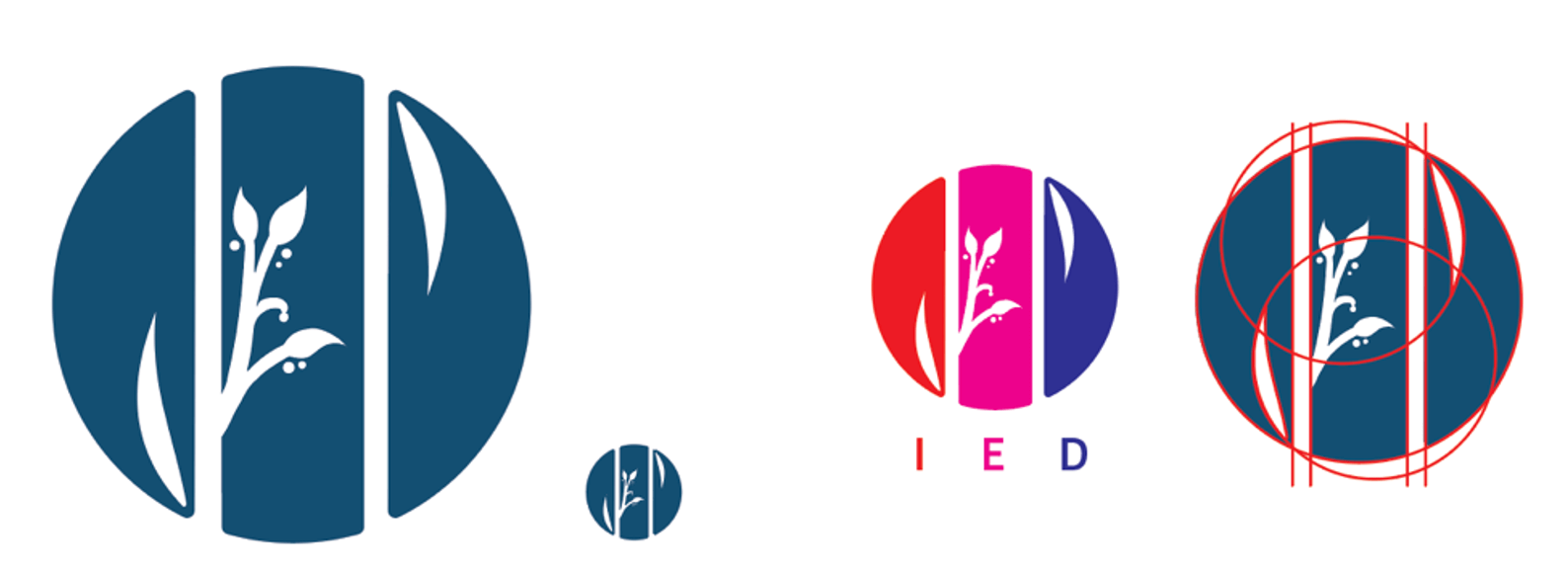
While the workload was initially challenging and stressful to handle by myself, creating a structured timeline and plan within the restated brief helped guide me and meet deadlines on time to ensure I met the end target date. As a result, this taught me how to manage my work and time efficiently, and will be a valuable skill that can be used in my future projects. Another essential skill required for this project is effective and consistent communication. Upon meeting with my supervisor countless times, learning to handle constructive criticism was an essential asset to achieving the ideal logo for the clients. Additionally, going back and analysing the small details within the logo helped the symbol work as a whole by testing the grids, proportions and legibility at different sizes, this has helped me improve as a logo designer.

Experimenting with grids and proportions

Future Improvements

To improve future projects, creating a solid foundation would help the progress of the design flow smoothly. During the initial sketches of the project, they were somewhat unorganised and unstructured. This required me to go back and redraw the sketches properly to convey the design effectively and see the full potential. This small step wasted some of the time that could have been spent developing the logos further. This meant some tasks were more rushed to catch up and stay on top of the weekly deadlines. As a result, creating a structured timeline and weekly deadlines to complete tasks efficiently would have kept me on track throughout the project. Finally, this challenge is something I will consider and work on going into future projects.

Overall, this project has taught me a lot of valuable skills and lessons that can be applied to my next projects. Furthermore, logo design is an area I feel particularly confident in and would love to do again in the future. As a result, the clients wish to work together again in the future for further developments across other mediums such as business cards, letterheads and more.

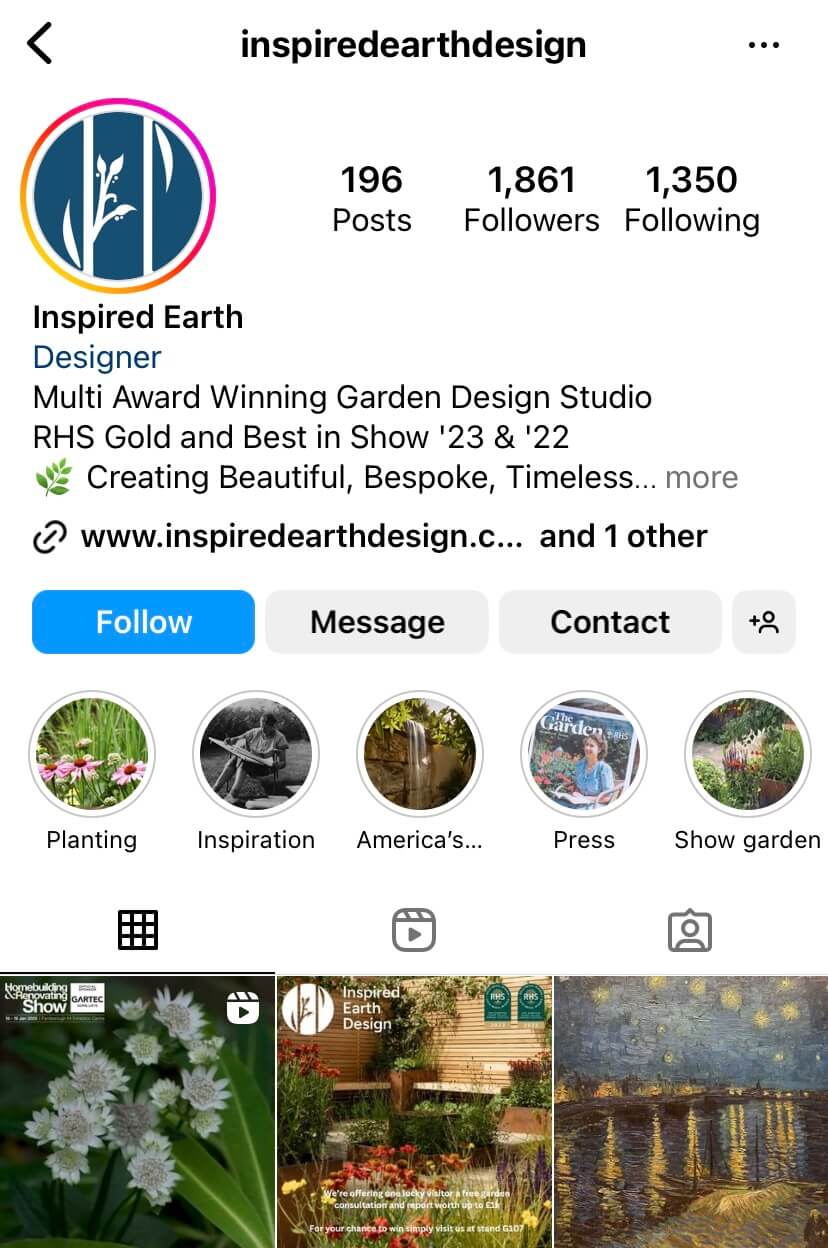
Inspired earth design using their new logo on their Instagram